The HighStreet Holidays Journal
Travel, Deeply Considered
Expert guides, destination deep-dives, First Class cabin reviews and insider knowledge from the specialists who have actually been there.
Explore by Destination
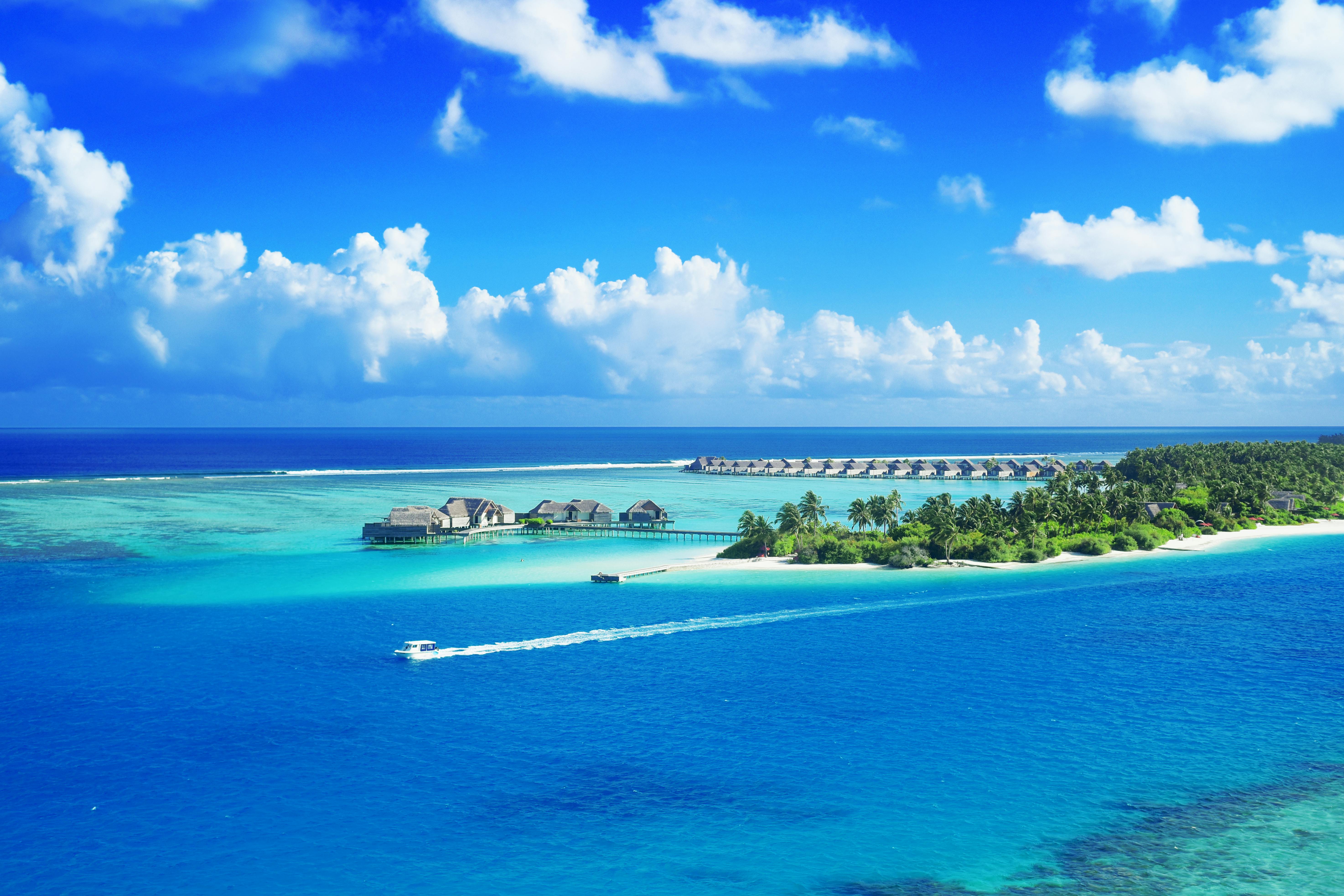
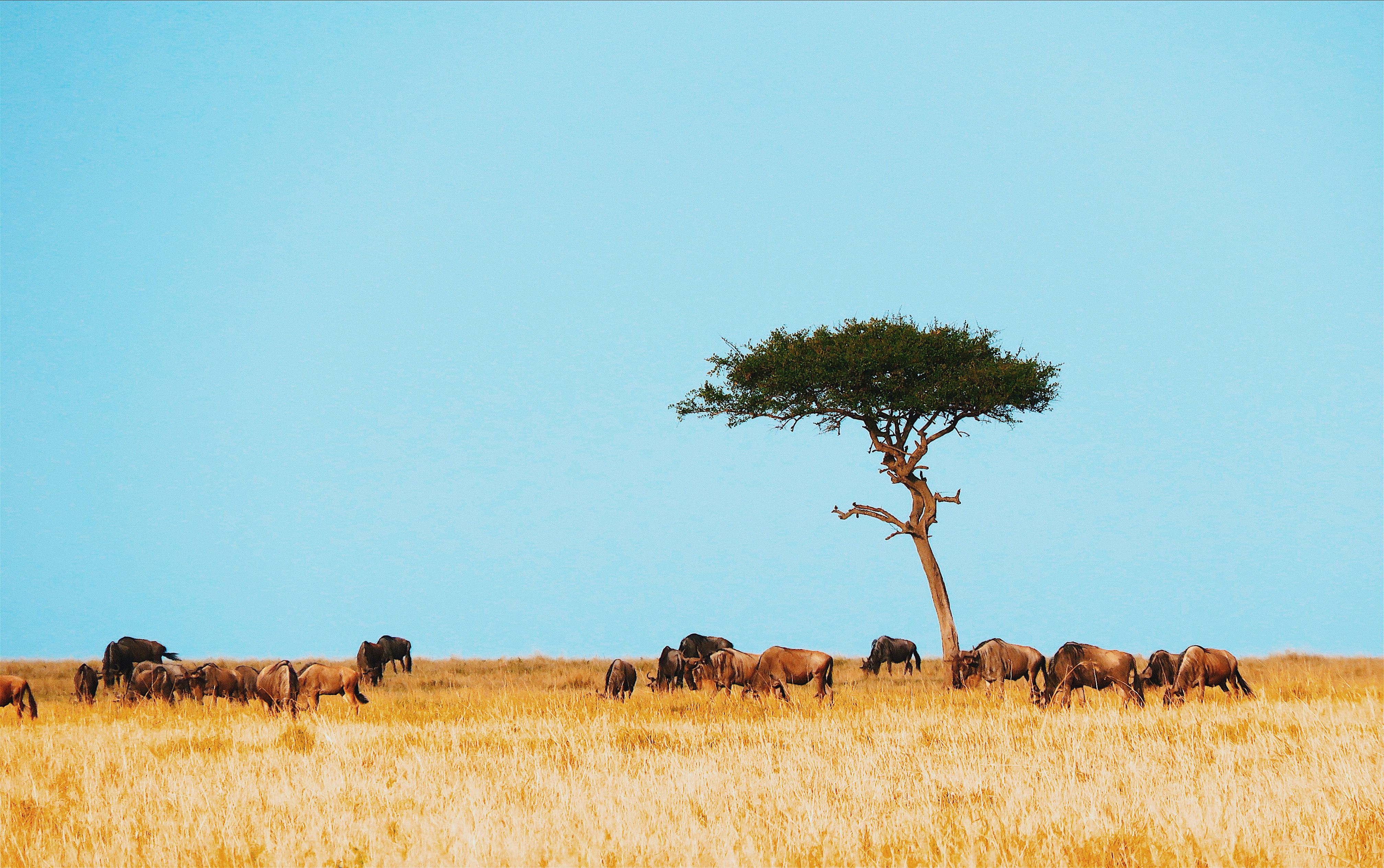
Filtered Articles: Comparison
 Comparison
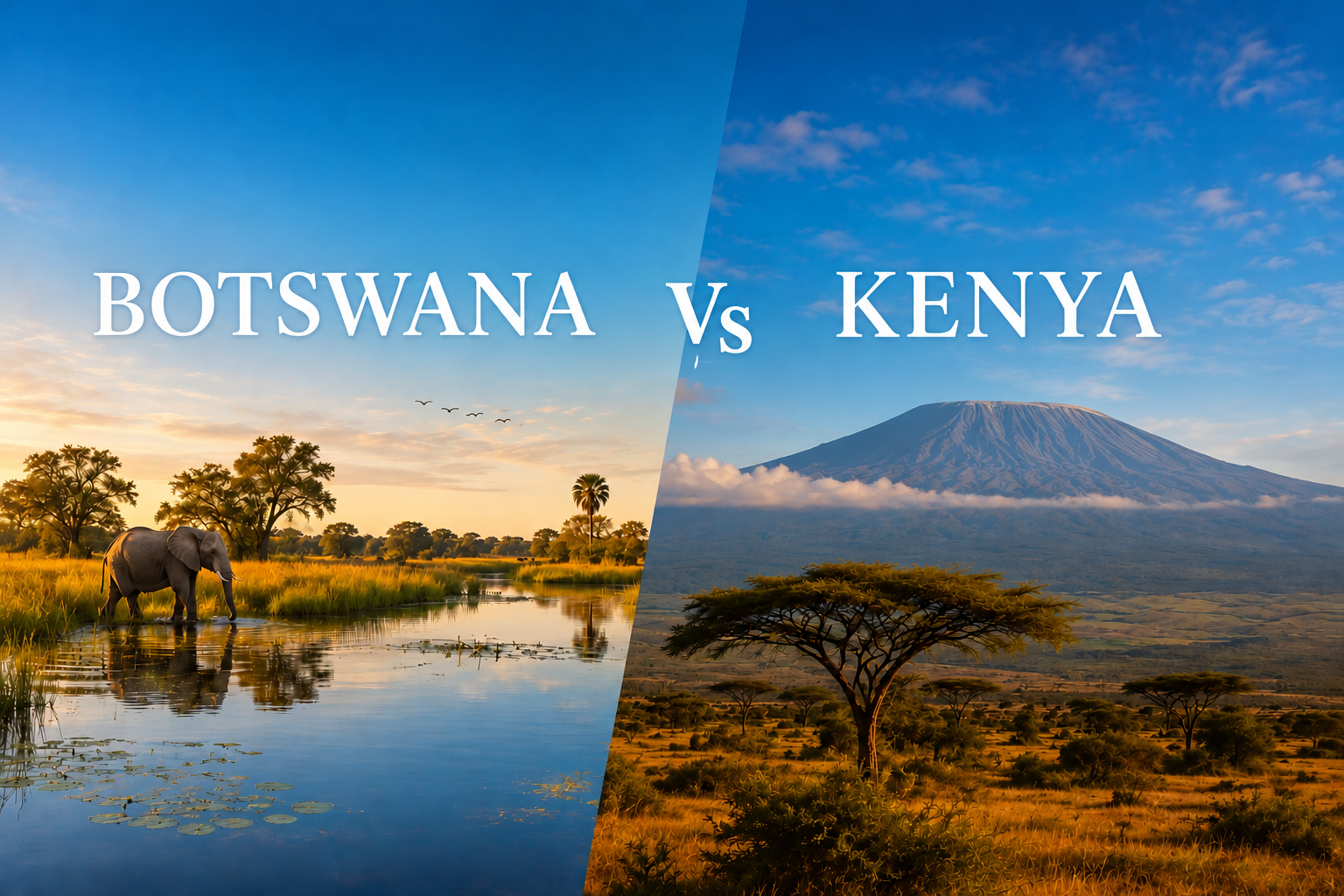
Botswana vs Kenya: Which African Safari Is Right for You?
This is the safari decision that keeps coming up. Both Kenya and Botswana deliver extraordinary wildlife encounters. Both are among the finest safari destinations on earth. But they are fundamentally different experiences — in landscape, in camp style, in wildlife density, in price, and in what they ask of you as a traveller. I have spent months in both countries across fifteen years. Here is my honest, no-agenda comparison. The Feel — What Each Country Is Actually Like Kenya is vast, varied and dramatic. The Masai Mara is rolling savannah stretching to the horizon. Amboseli has Kilimanjaro as a permanent backdrop. Laikipia is semi-arid bush country with a completely different character. Kenya gives you variety within a single trip — you can experience three genuinely different ecosystems in a two-week safari. Botswana is defined by water. The Okavango Delta is a 20,000-square-kilometre inland delta that floods annually, creating a mosaic of channels, islands, lagoons and floodplains. Chobe has the highest concentration of elephants in Africa. The Makgadikgadi Pans are lunar in their emptiness. Botswana is quieter, more exclusive, and more expensive — by design. If Kenya is a symphony — loud, varied, dramatic — Botswana is a string quartet: intimate, refined, and quietly extraordinary. “Kenya gives you the spectacle. Botswana gives you the intimacy. Both change you. They just change you differently.” — Nick, Africa & Safari Specialist Wildlife Kenya: Wildlife density in the Masai Mara is arguably the highest in Africa. You will see the Big Five. You will see them frequently. The Great Migration (July–October) brings 1.5 million wildebeest and the predators that follow them. Kenya is the place for volume, drama and the classic safari photograph — lion on a kopje, cheetah in the golden grass, Mara River crossings. Botswana: Wildlife encounters in Botswana are less frequent but more intimate. A walking safari in the Delta, with a Mokoro canoe glide through lily-covered channels, followed by an elephant herd crossing a floodplain — this is Botswana at its best. Wild dog sightings are more common than in Kenya. Leopard sightings in the Moremi are excellent. The elephants in Chobe are the most dramatic herds I have ever seen — thousands strong, wading across the river. Winner: Kenya for sheer volume and the Migration spectacle. Botswana for intimate, uncrowded encounters and the water-based safari experience. Camp Style & Exclusivity Kenya: Kenya has the full range — from excellent value mid-range camps to the ultra-luxury end (Angama Mara, andBeyond Bateleur, Cottar’s 1920s). The Mara Conservancies (private conservancies bordering the national reserve) offer exclusivity that the reserve itself cannot — off-road driving, night drives, walking safaris, and far fewer vehicles. Botswana: Botswana has deliberately positioned itself as a high-value, low-volume destination. Camp sizes are smaller (typically 8–16 guests). Prices are higher. The result is genuine exclusivity — you will rarely share a sighting with another vehicle. The government limits tourism numbers through high park fees and camp size restrictions. This is intentional, and it works. Winner: Botswana, for guaranteed exclusivity. Kenya matches it in the private conservancies but not in the national reserve, which can be busy during peak Migration season. Getting There Kenya: Direct flights from London to Nairobi take approximately 8.5 hours (British Airways, Kenya Airways). From Nairobi, a domestic flight to the Masai Mara takes 45 minutes. Total travel time from Heathrow to your camp: approximately 12–14 hours. Straightforward. Botswana: There are no direct flights from the UK to Botswana. The most common routes are via Johannesburg (approximately 11 hours to JNB, then 2 hours to Maun or Kasane) or via Nairobi. Internal transfers within Botswana are almost always by light aircraft. Total travel time: 16–20 hours. More complex, more expensive, more time-consuming. Winner: Kenya, significantly. The direct London–Nairobi flight makes Kenya one of the most accessible safari destinations in Africa. Value Kenya: Kenya offers genuine value at every level. A luxury safari in the Mara Conservancies — private camp, full-board, game drives — costs from £400–700 per person per night. At the top end (Angama Mara, Cottar’s), expect £800–1,200. A 7-night luxury safari including flights from the UK starts from approximately £4,500–6,000 per person. Botswana: Botswana is expensive by design. A luxury camp in the Okavango Delta costs £700–1,500 per person per night. At the top end (Mombo, Jao, DumaTau), expect £1,500–2,500. A 7-night safari including international and internal flights starts from approximately £7,000–12,000 per person. The internal light aircraft transfers add £500–1,000 alone. Winner: Kenya, for value at every level. You can have a world-class safari in Kenya for roughly half the cost of a comparable trip in Botswana. Best Time to Visit Kenya: July to October for the Migration. January to March for green season photography and Amboseli. Good year-round in Laikipia. Botswana: May to October for the Delta flood season (the water rises, concentrating wildlife on islands). July to October for peak wildlife viewing. The green season (November to March) is beautiful but many camps are inaccessible. The Verdict — Choose Kenya If / Choose Botswana If Both countries deliver world-class safari. The choice comes down to what kind of experience you want, and a conversation with one of our Africa specialists will settle it in twenty minutes.
 Comparison
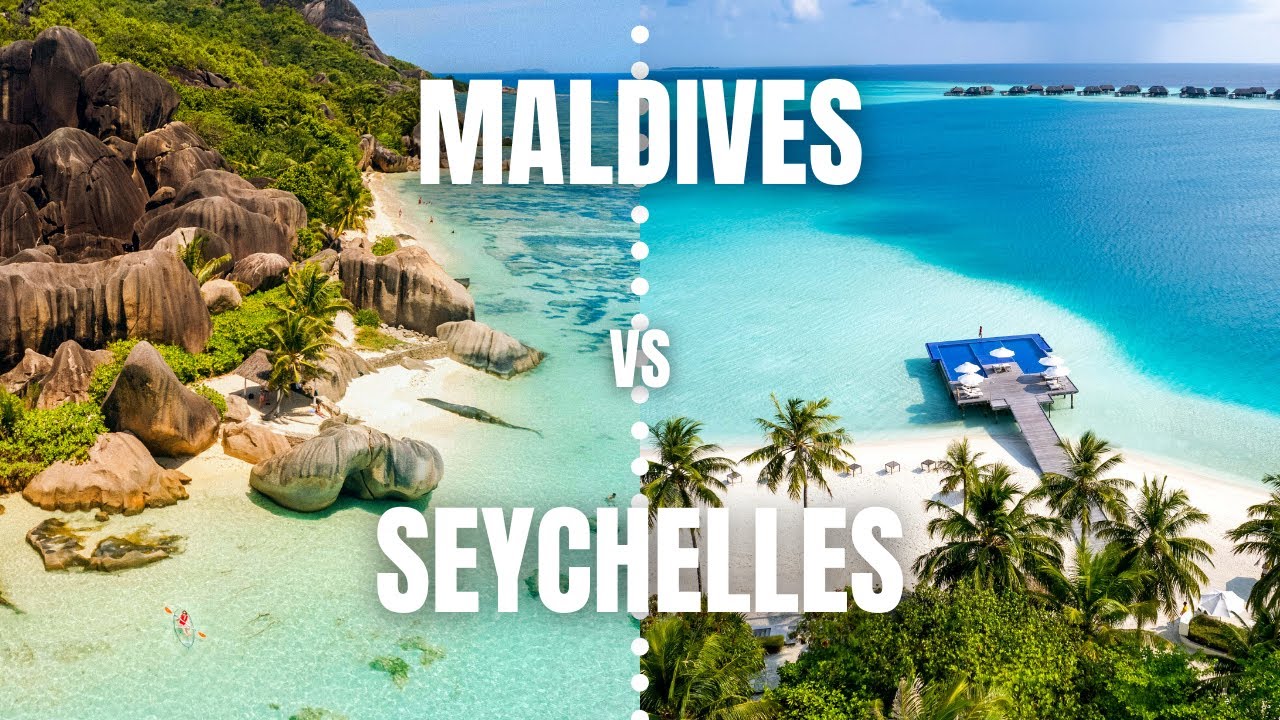
Maldives vs Seychelles — An Honest Comparison for Luxury Travellers
This is the question I am asked more than any other. Clients call with a budget, a set of dates and a simple request: “Maldives or Seychelles?” They expect a quick answer. The honest answer is that it depends — and the factors that determine the right choice are not the ones most people think about first. Both destinations are exceptional. Both deliver genuine luxury. But they are fundamentally different kinds of holiday. If you choose the wrong one, you will have a good time but wonder what was missing. If you choose the right one, you will understand exactly why it was right for you. The Feel — What Each Destination Is Actually Like The Maldives is flat. Every island sits barely above sea level. There are no hills, no cliffs, no elevation of any kind. The landscape is turquoise water, white sand and sky. The experience is one of almost total immersion in the ocean — particularly in overwater villas, where you are literally suspended above the lagoon. The Maldives is about seclusion, simplicity and the reef beneath your feet. The Seychelles is the opposite. The islands are granite, ancient, and dramatic. Mahé has a mountain range reaching 900 metres. La Digue has boulders the size of houses framing beaches that look like they were arranged by a set designer. Praslin has a UNESCO-listed palm forest. The Seychelles has texture, variety and depth that the Maldives simply does not offer. This is not a quality judgment. It is a personality test. Some people want the horizon-line simplicity of the Maldives. Others want the dramatic, varied landscape of the Seychelles. Neither is better. But they are different, and knowing which you respond to determines the right choice. “The Maldives gives you nothing to do except be present. The Seychelles gives you a reason to explore. Both are extraordinary — but they attract different people.” — Almas, Travel Specialist Beaches Maldives: Every resort has its own beach — often a private sandbank or stretch of powder-white sand that you share with nobody. The sand is uniformly fine and white, the water is uniformly turquoise, and the beaches are uniformly stunning. What they lack is variety. One Maldives beach is, in most cases, very similar to another. Seychelles: The beaches are among the most visually dramatic on earth. Anse Source d’Argent on La Digue — with its giant granite boulders, pink-tinged sand and shallow turquoise water — is arguably the single most photographed beach in the world. Anse Lazio on Praslin and Beau Vallon on Mahé are equally extraordinary but completely different in character. Every beach looks different. Winner: Photography and variety — Seychelles. Pure beach seclusion — Maldives. If you want a private beach with nobody on it, the Maldives will deliver that consistently. If you want visually dramatic, varied beaches that you can explore, the Seychelles wins. Diving & Snorkelling Maldives: The Maldives is one of the finest diving and snorkelling destinations on the planet. The house reefs at resorts like Soneva Fushi, Gili Lankanfushi and Four Seasons Landaa Giraavaru are world-class. Manta rays, whale sharks, reef sharks and turtles are all regularly encountered. Visibility often exceeds 30 metres. If diving is a priority, the Maldives is the clear choice. Seychelles: Diving in the Seychelles is good but not in the same league as the Maldives. The reefs are healthy and varied, and you can see turtles, rays and reef fish consistently. But the big pelagic encounters that define Maldives diving — manta feeding stations, whale shark channels — are far less common in the Seychelles. Snorkelling is excellent in both, though the Maldives edges it on reef quality. Winner: Maldives, and it is not close. If you are choosing between the two specifically for marine life and reef quality, the Maldives is the destination. Dining Maldives: Dining at the top Maldives resorts is exceptional — particularly at Soneva Fushi (six restaurants), One&Only Reethi Rah and Velaa Private Island. However, you eat exclusively at your resort. There are no local restaurants, no street food, no dining scene beyond the resort walls. After a week, even the best resort menus can begin to feel familiar. Seychelles: The Seychelles has a genuine food culture. Creole cuisine is distinctive, flavourful and widely available beyond the resorts. You can eat at local restaurants on Mahé and Praslin, try authentic Creole curries and fresh-caught fish at beachside grills, and experience a culinary scene that exists independently of the hotel. For food-motivated travellers, this is a significant advantage. Winner: Seychelles, for variety and cultural depth. Maldives, for resort dining at the very top end. If you want to eat extraordinary food within your resort and never leave, the Maldives delivers. If you want culinary exploration beyond your hotel, the Seychelles is the better choice. Things to Do Beyond the Beach Maldives: There is very little to do in the Maldives beyond the resort. This is, for many people, the entire point. But for travellers who need stimulation, variety, and things to see and do beyond swimming and dining, the Maldives can feel limiting after five or six days. There is no culture to explore, no towns to visit, no historical sites, no hiking, no shopping beyond the resort boutique. Seychelles: There is substantially more to do. Hire a car on Mahé and drive through the mountain interior. Visit the Vallée de Mai on Praslin — a primeval palm forest and UNESCO World Heritage Site. Cycle around La Digue in an afternoon. Take a boat to a deserted outer island. The Seychelles functions as a real place with things to discover, not solely as a resort. Winner: Seychelles, comprehensively. If you want activities, exploration and cultural depth beyond the beach, there is no contest. Getting There from the UK Maldives: Direct flights from London to Malé take approximately 10 hours. British Airways flies direct. From Malé, a seaplane transfer adds 30–60 minutes depending on the resort. Total travel time from Heathrow to your villa: 12–14 hours. One-stop options via Dubai (Emirates), Doha (Qatar) and Abu Dhabi (Etihad) add 3–5 hours but often offer better premium cabin availability and pricing. Seychelles: There are no direct flights from the UK to the Seychelles. The fastest route is via Dubai or Abu Dhabi, with a total travel time of approximately 12–14 hours including the connection. The domestic transfer within the Seychelles is shorter than the Maldives seaplane — Mahé to Praslin is a 15-minute inter-island flight or a one-hour ferry. Winner: Maldives, marginally — the direct BA flight is hard to beat for convenience. But with a stop in the Gulf, travel times are comparable. Value — What You Get for Your Money Maldives: The Maldives is expensive. Entry-level luxury resorts start at £500–800 per night. The best overwater villas at Soneva Fushi, One&Only and Velaa are £2,000–5,000 per night. Meals, excursions and transfers are additional — and seaplane transfers alone can cost £400–600 per person return. Seychelles: The Seychelles offers better value at the entry and mid-range luxury level. Excellent properties like Constance Lemuria and Four Seasons Seychelles start at £400–700 per night. Top-end properties like Six Senses Zil Pasyon and North Island are comparable to Maldives pricing. Dining outside the resort is significantly cheaper, and domestic transfers are lower cost. Winner: Seychelles, for value at the £3,000–6,000 per person per week level. At the ultra-luxury end (£10,000+ per person per week), both are comparable. If budget matters, the Seychelles gives you more for less. The Verdict — Choose Maldives If / Choose Seychelles If Neither destination is wrong. Both deliver genuine, world-class luxury in the Indian Ocean. The choice comes down to what kind of traveller you are — and that is exactly the question a 20-minute conversation with one of our specialists can answer.
From the Maldives Specialist
The Maldives is about which version of yourself you want to be for seven days.Travel specialist
From the Africa Specialist
A safari is the only holiday where you go to be genuinely surprised.James Okafor
From the Founder
Travel can be more personal, more considered, and more genuine.Monis · Founder
Also from Rizka Travel