The HighStreet Holidays Journal
Travel, Deeply Considered
Expert guides, destination deep-dives, First Class cabin reviews and insider knowledge from the specialists who have actually been there.
Explore by Destination
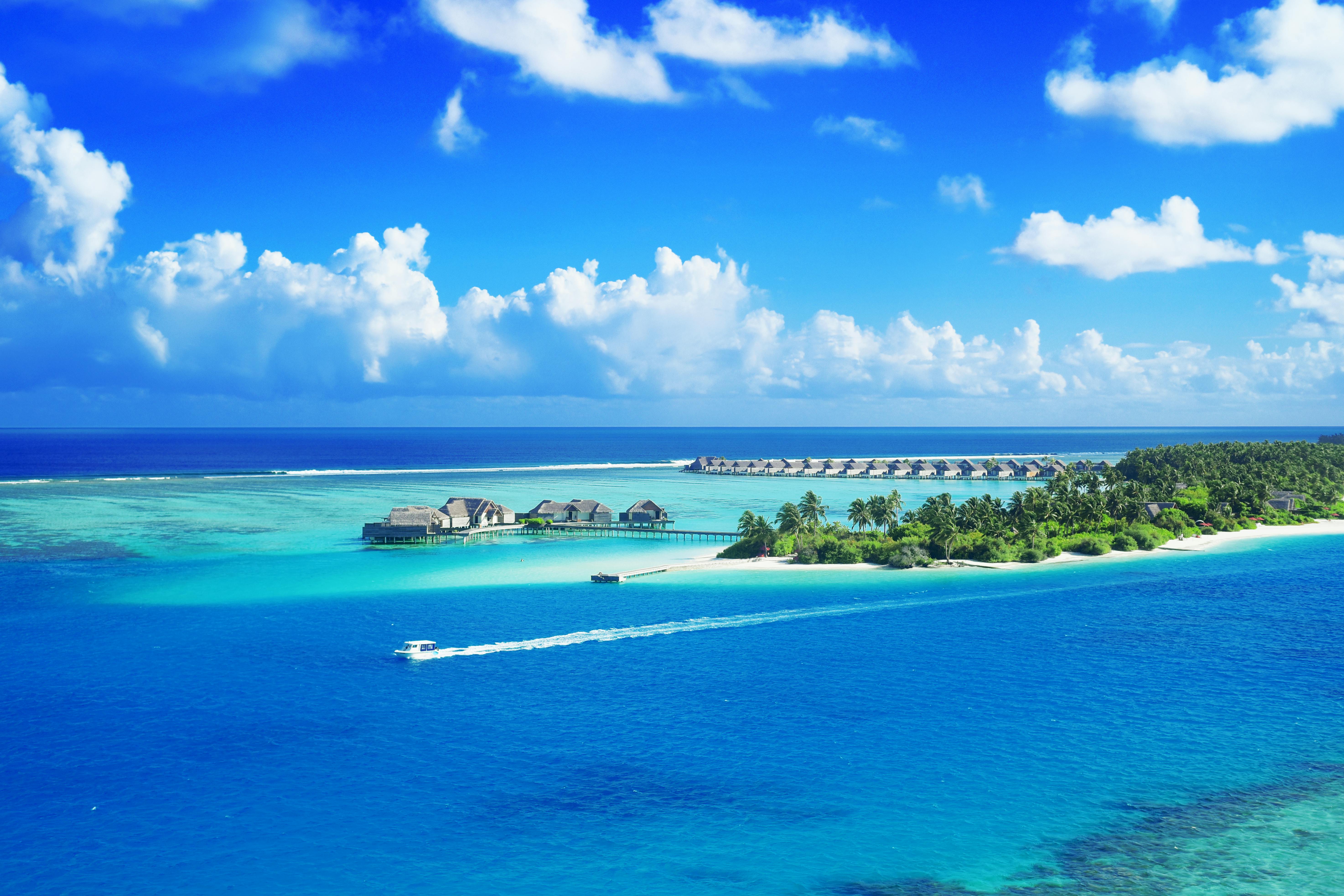
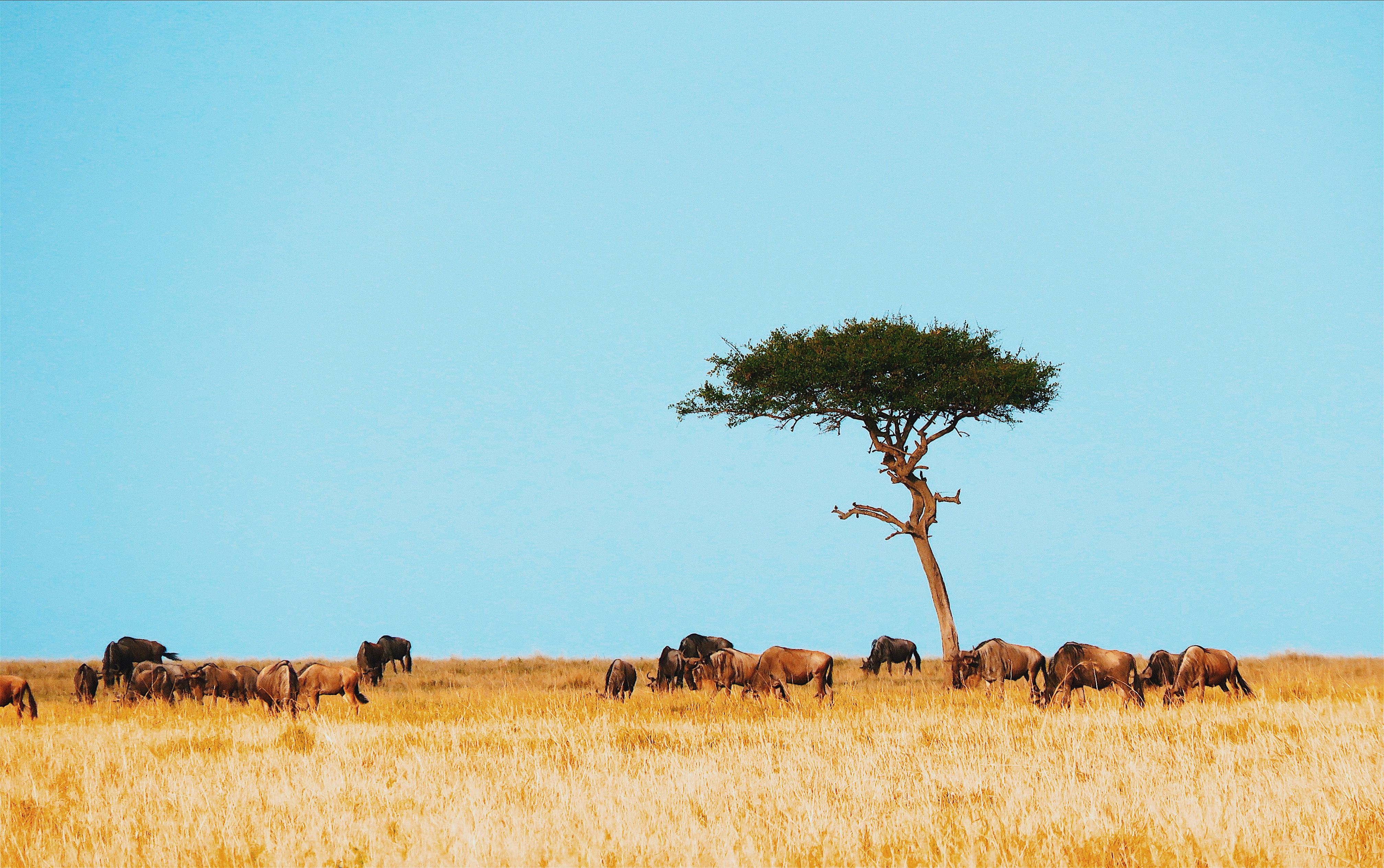
Filtered Articles: Planning Guide · Kenya
 Planning Guide
Your First Luxury Safari — Everything You Need to Know
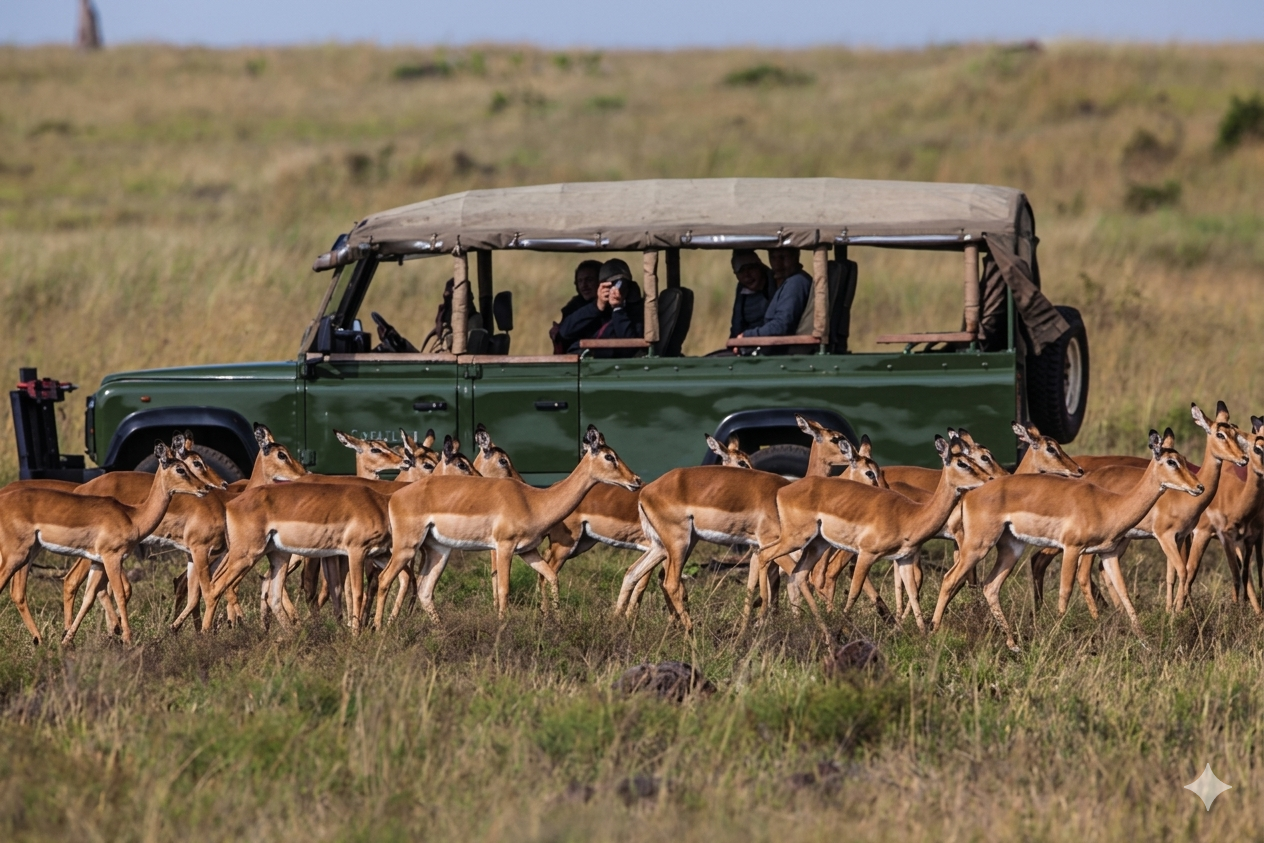
Your first safari is unlike any other holiday you will take. It is more logistically complex, more emotionally intense, and more rewarding than anything you have experienced before. But the gap between a good first safari and a disappointing one is almost entirely determined by decisions made before you leave — the country, the camp, the timing and what you pack. This is everything I wish someone had told me before my first safari, and everything I now tell every first-time client. Which Country for Your First Safari? For a first safari, I almost always recommend Kenya or Tanzania. Both offer the highest concentration of wildlife, the most reliable game viewing, the best infrastructure and the most iconic landscapes. You will see the Big Five. You will see them frequently. The camps and lodges range from excellent to extraordinary. South Africa is a strong alternative if you want to combine safari with wine country, coastal scenery and a city experience (Cape Town). Botswana is exceptional but more expensive, more remote, and better suited to repeat visitors who already know what they want from a safari. My recommendation for a first safari: Kenya. Direct flights from London, the Masai Mara is one of the finest reserves in Africa, and the Mara Conservancies offer private, uncrowded game drives even in peak season. Bush Camp vs Lodge — What’s the Difference? A tented camp is not what you think it is. A “tent” at a luxury safari camp is a permanent, insulated structure with a proper bed, en-suite bathroom, running water, electricity, and often a private deck and plunge pool. The canvas walls are the point — you fall asleep hearing the bush. A lion calling at 2am is part of the experience, not a problem. A lodge is a permanent building — stone, wood, glass. Angama Mara, Singita Serengeti House and andBeyond Ngorongoro Crater Lodge are lodges. They feel more like a luxury hotel. The game drive experience is identical. For a first safari, I recommend a tented camp. The immersion in the environment is what makes safari unique — a lodge distances you from it. If you are genuinely uncomfortable with the idea of canvas walls, a lodge is the right choice, but most clients who try a tented camp for the first time never go back to lodges. “The first time a lion calls in the dark and you realise there is nothing between you and it but canvas and fifty metres of grass — that is the moment you understand what safari actually is.” — Manny, Adventure & Safari Specialist How Long to Go A minimum of 4 nights on safari. Fewer than that and you will not settle into the rhythm — early wake-ups, morning drives, afternoon siestas, evening drives, dinner under the stars. It takes two days to decompress and stop looking at your phone. The real safari begins on day three. The ideal first safari is 6–7 nights, split across two camps in different ecosystems. The Masai Mara for big cats and open savannah, then Amboseli for elephants and Kilimanjaro views. Or the Serengeti for the Migration, then the Ngorongoro Crater for the caldera experience. Two camps give you variety without exhaustion. If you are combining safari with a beach extension (Zanzibar, Maldives, Mauritius), budget 4–5 nights on safari and 4–5 nights on the beach. The combination of bush and coast is one of the finest holiday formats in luxury travel. Health, Safety and Malaria Most safari destinations in East Africa are in malaria zones. You will need antimalarial medication — consult your GP or a travel health clinic at least 6 weeks before departure. The most commonly prescribed options are Malarone (atovaquone/proguanil) and Doxycycline. Both are effective. Malarone has fewer side effects for most people. Yellow fever vaccination is required for entry into Kenya and Tanzania if you are travelling from or via a yellow fever endemic country. Check current requirements with your specialist. Safari is safe. The camps are professionally managed, the guides are experienced, and the animals are wild but not dangerous to guests who follow the rules. The main rule: do not leave your tent at night without an escort, and do not stand up in the vehicle during a game drive. These are simple and sensible. What to Pack — and What Not To Colours: Neutral tones — khaki, olive, tan, grey. Avoid bright white (reflects light and startles animals), dark blue and black (attract tsetse flies in some areas). No camouflage (this is military-associated in some African countries and can cause problems). Layers: Mornings on safari are cold — often single digits at dawn in the Mara during July and August. You need a warm fleece or down jacket for the morning drive and a light shirt for midday. The temperature swing between 6am and noon can be 20 degrees. Bags: Soft bags only. Light aircraft luggage limits are typically 15-20kg per person in a soft-sided bag (no hard suitcases - they do not fit in the aircraft hold). This is a firm limit, not a suggestion. Pack less than you think you need. The camp will launder your clothes daily. Camera: A telephoto lens (at minimum 200mm, ideally 100–400mm) will transform your photography. A phone camera will not do justice to a lion at 30 metres. If you do not own a telephoto lens, some camps have them available to borrow. What to Expect on a Typical Day 5:00–5:30am: Wake-up call. Tea or coffee at the main area. It is dark and cold. Dress warmly. 6:00–9:30am: Morning game drive. This is the best wildlife viewing of the day. Cats are active, light is golden, the bush is alive. Your guide will stop for a bush breakfast midway -coffee and pastries under an acacia tree. 10:00am–3:30pm: Brunch at camp, followed by free time. Read, swim, sleep, visit the spa. The heat of the day is not productive for game viewing — the animals rest, and so should you. 4:00–6:30pm: Afternoon game drive. The light softens, the temperature drops, and predators begin to stir. Sundowners — gin and tonic in the bush as the sun sets — are a sacred safari tradition. 7:30pm: Dinner. Often outdoors, often around a fire, often extraordinary. Safari dining is one of the underappreciated pleasures of the experience. How Much It Costs A luxury safari in Kenya or Tanzania, including return flights from the UK, internal transfers, full-board accommodation and game drives, starts from approximately £4,500–6,000 per person for 7 nights. At the top end (Singita, andBeyond, Angama), expect £8,000–15,000 per person. These prices are all-inclusive — every meal, every drink, every game drive. Adding a beach extension (5 nights in Zanzibar or the Maldives) adds approximately £2,000–5,000 per person depending on the destination and property. Every booking through HighStreet Holidays is ATOL protected (No. 12118). Your money is financially secure from the moment you book.
 Planning Guide
How to Plan the Perfect Honeymoon — A Specialist’s Honest Guide
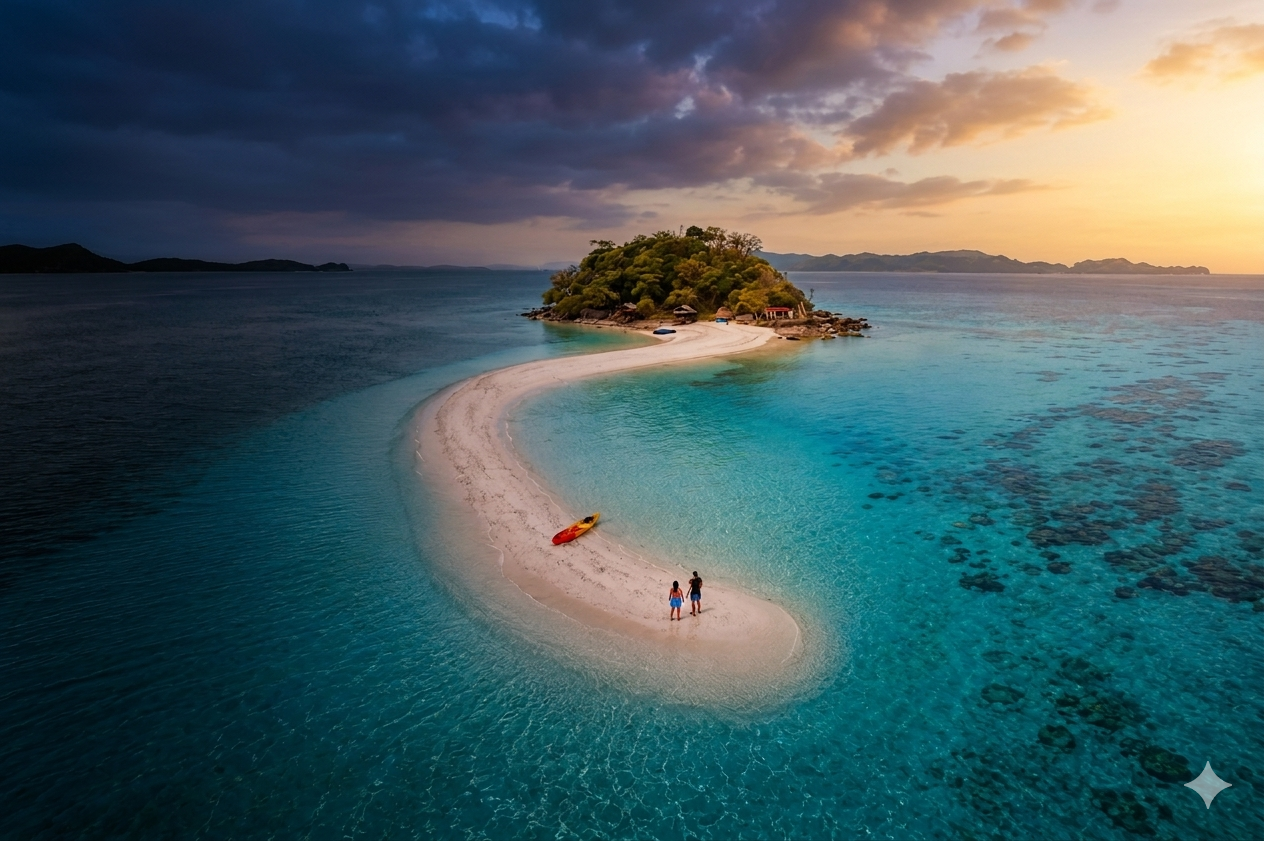
In eight years of arranging honeymoons, I have learned one thing above all else: the couples who have the best honeymoons are almost never the ones who spent the most money. They are the ones who made the right decisions early — about destination, timing, pace and expectation — and avoided the mistakes that trip up everyone else. This guide covers everything I tell my clients in the first conversation. It is not a list of destinations. It is the decisions that determine whether your honeymoon is good or genuinely unforgettable. When to Start Planning Start planning your honeymoon at the same time you start planning your wedding — 9 to 12 months before your departure date. Not 9 months before the wedding, 9 months before you actually travel. If you are getting married in June and honeymooning in September, that means starting in September the year before. The reason is availability. The properties that make a honeymoon extraordinary — Soneva Fushi in the Maldives, Angama Mara in Kenya, COMO Laucala in Fiji — have limited room counts. The best villas and suites at these properties book 6–9 months ahead for peak season. Leave it until three months before and your first-choice property will almost certainly be full. The single most common mistake I see is couples who plan the wedding first, collapse afterwards, then start thinking about the honeymoon with eight weeks to go. By that point, you are choosing from what is left rather than what is best. Destination: Start with the Feeling, Not the Place Most couples start with a destination: “We want to go to the Maldives.” That is fine. But the better question is: what do you want to feel? Do you want to do nothing for two weeks? The Maldives, Seychelles or Mauritius will deliver that. Do you want adventure with luxury? Kenya and Tanzania, followed by a beach in Zanzibar, will give you both. Do you want culture, food and exploration? Japan, Italy or Vietnam. Do you want something nobody else has done? Antarctica, Galápagos, French Polynesia. The destination should serve the feeling, not the other way around. I have had couples insist on the Maldives because it is the “honeymoon destination”, only to discover on day four that two weeks of doing nothing is not what either of them actually wanted. The right conversation at the start prevents this entirely. “The couples who have the best honeymoons are the ones who were honest about what they actually enjoy — not what honeymoons are supposed to look like on Instagram.” — Anna, Romance & Honeymoon Specialist Budget: How to Think About It Honeymoon budgets range from £3,000 per person to £30,000 per person. Both can produce extraordinary trips. The difference is not quality — it is scope. At £3,000–5,000 per person, you can have a genuinely luxurious week in Mauritius, the Seychelles or Bali. At £5,000–10,000, the Maldives, a Kenya-Zanzibar combination, or two weeks in Japan become realistic. Above £10,000, you are in private island and Aman territory. Two things that consistently catch couples off guard: internal transfers (seaplane transfers in the Maldives cost £400–600 per person return) and meal plans (half-board at a top Maldives resort adds £150–250 per person per day). Build these into your budget from the start, not as surprises at the end. The Multi-Centre Question Should you visit one destination or two? My general guidance: if your honeymoon is 7–10 days, stay in one place. If it is 10–14 days, two destinations work well. If it is longer than 14 days, three is possible but two is usually better. The classic multi-centre honeymoon combinations that work consistently: safari in Kenya or Tanzania followed by beach in the Maldives or Zanzibar. Dubai city break followed by the Maldives. Bali culture and rice terraces followed by an overwater villa in the Maldives or a private island in Fiji. Japan followed by beach time in Thailand or Bali. The combinations that look good on paper but often do not work in practice: three countries in two weeks (too rushed, too many flights, too many hotel check-ins). Anywhere involving long layovers in transit cities. Mixing a very active itinerary with a very relaxed one in a way that creates whiplash rather than flow. The Five Mistakes Couples Make Most Often 1. Leaving immediately after the wedding. You will be exhausted. Build in at least two days between the wedding and your departure. Ideally three. The first day of your honeymoon should not be spent recovering from the day before. 2. Choosing a destination because of a single photograph. A photograph tells you nothing about the weather, the transfer logistics, the dining options or whether the resort is under renovation. A conversation with a specialist tells you all of it. 3. Overcomplicating the itinerary. The temptation to see and do everything is strongest on a honeymoon — this is your one big trip. Resist it. The best honeymoons have generous pace and deliberate downtime. You should be bored at some point. That is how you decompress. 4. Not telling the resort it is your honeymoon. Every good property offers complimentary honeymoon touches — champagne on arrival, a romantic dinner setup, a room upgrade if available. But they need to know. Your specialist should flag this at booking, and you should mention it at check-in. 5. Booking without ATOL protection. Your honeymoon is likely the most expensive holiday you will ever take. ATOL protection means your money is financially protected if anything goes wrong — airline failure, operator collapse, anything. Every booking through HighStreet Holidays is ATOL protected (No. 12118). Our Top Honeymoon Destinations by Type The One Thing That Matters Most After hundreds of honeymoons arranged, the one thing I know for certain is this: the couples who talk to a specialist early, honestly, and without a fixed idea have better honeymoons than those who arrive with a Pinterest board and a rigid plan. Your honeymoon is not a checklist. It is a trip that should feel like the first chapter of the next part of your life. Getting it right takes a conversation — not a search engine.
From the Maldives Specialist
The Maldives is about which version of yourself you want to be for seven days.Travel specialist
From the Africa Specialist
A safari is the only holiday where you go to be genuinely surprised.James Okafor
From the Founder
Travel can be more personal, more considered, and more genuine.Monis · Founder
Also from Rizka Travel