6 min read3 Jun 2026
Your First Luxury Safari — Everything You Need to Know
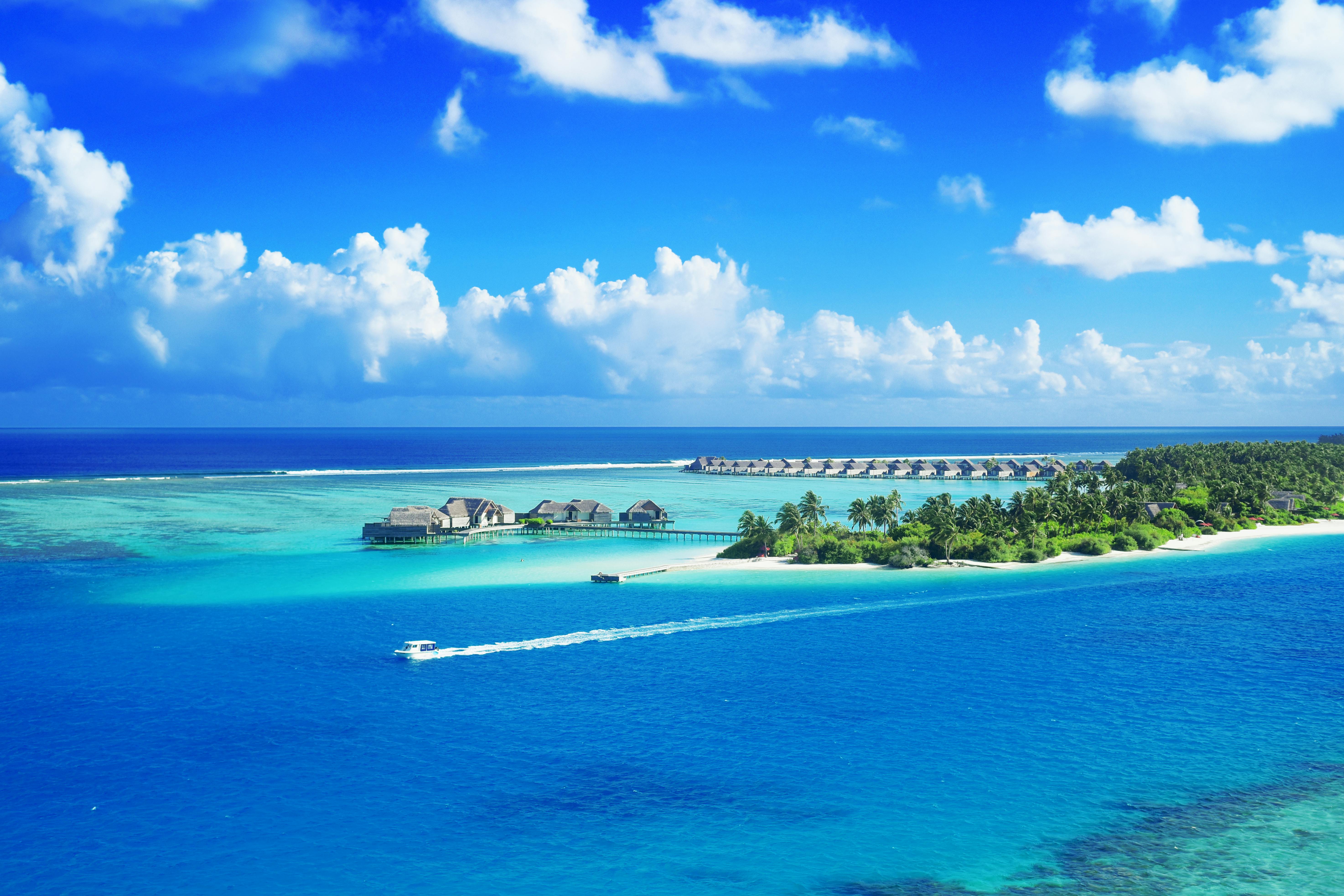
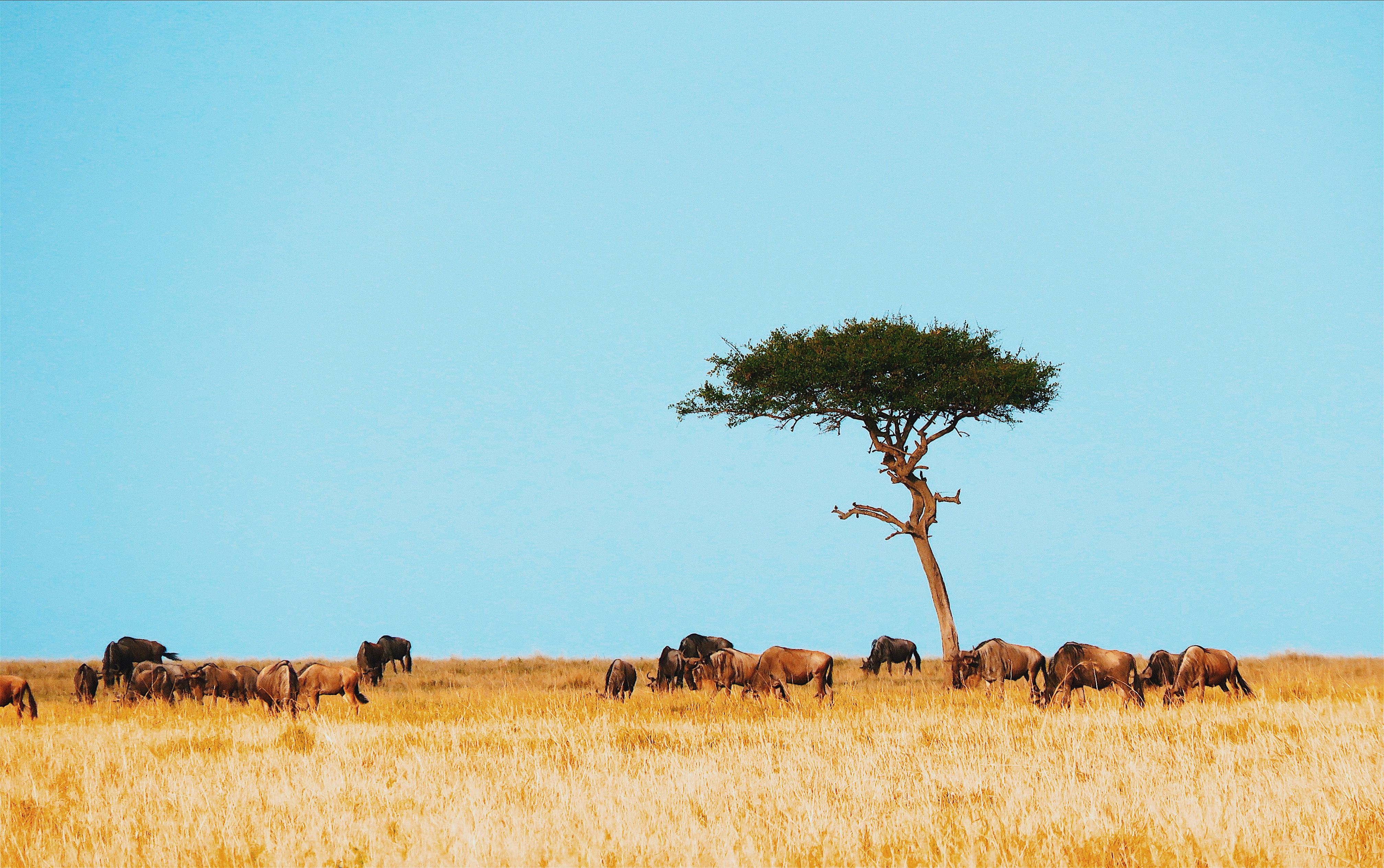
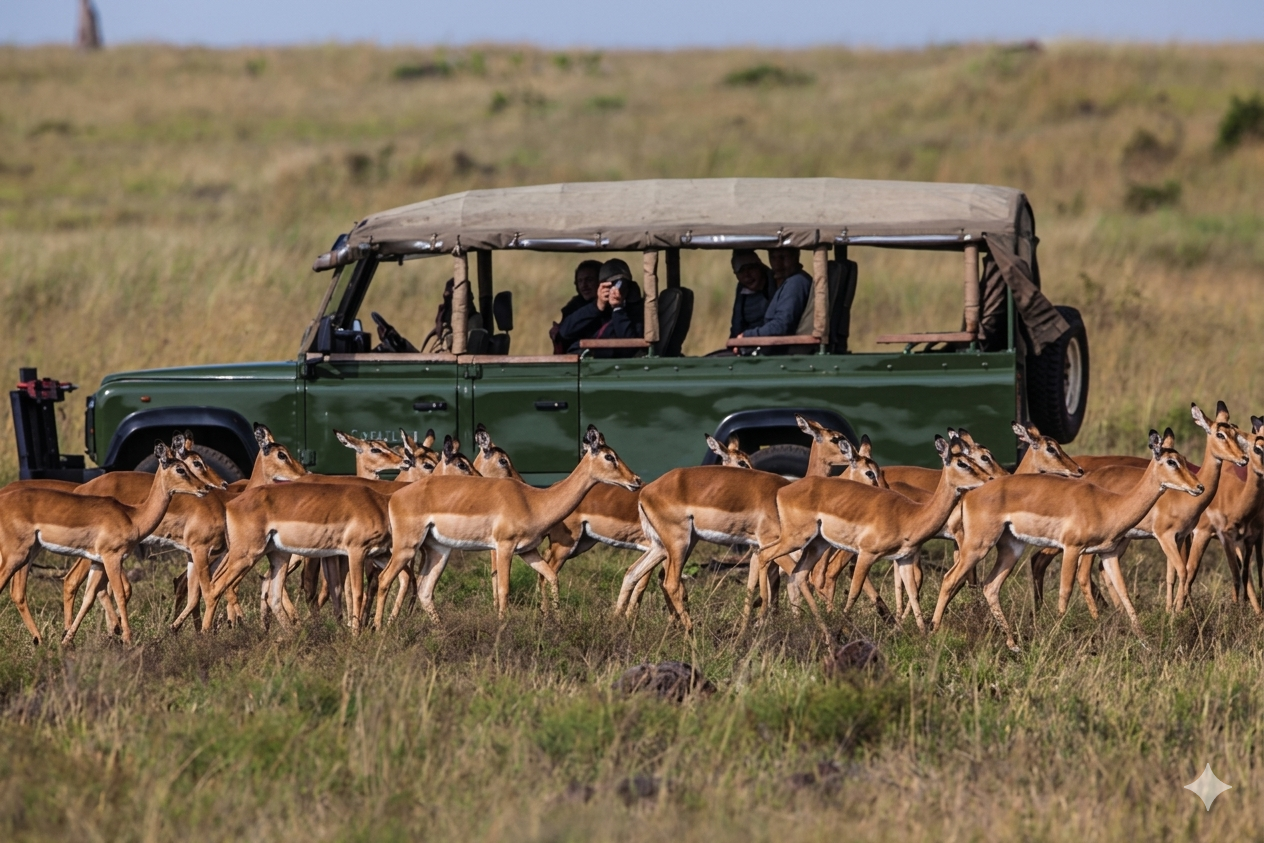
Your first safari is unlike any other holiday you will take. It is more logistically complex, more emotionally intense, and more rewarding than anything you have experienced before. But the gap between a good first safari and a disappointing one is almost entirely determined by decisions made before you leave — the country, the camp, the timing and what you pack. This is everything I wish someone had told me before my first safari, and everything I now tell every first-time client. Which Country for Your First Safari? For a first safari, I almost always recommend Kenya or Tanzania. Both offer the highest concentration of wildlife, the most reliable game viewing, the best infrastructure and the most iconic landscapes. You will see the Big Five. You will see them frequently. The camps and lodges range from excellent to extraordinary. South Africa is a strong alternative if you want to combine safari with wine country, coastal scenery and a city experience (Cape Town). Botswana is exceptional but more expensive, more remote, and better suited to repeat visitors who already know what they want from a safari. My recommendation for a first safari: Kenya. Direct flights from London, the Masai Mara is one of the finest reserves in Africa, and the Mara Conservancies offer private, uncrowded game drives even in peak season. Bush Camp vs Lodge — What’s the Difference? A tented camp is not what you think it is. A “tent” at a luxury safari camp is a permanent, insulated structure with a proper bed, en-suite bathroom, running water, electricity, and often a private deck and plunge pool. The canvas walls are the point — you fall asleep hearing the bush. A lion calling at 2am is part of the experience, not a problem. A lodge is a permanent building — stone, wood, glass. Angama Mara, Singita Serengeti House and andBeyond Ngorongoro Crater Lodge are lodges. They feel more like a luxury hotel. The game drive experience is identical. For a first safari, I recommend a tented camp. The immersion in the environment is what makes safari unique — a lodge distances you from it. If you are genuinely uncomfortable with the idea of canvas walls, a lodge is the right choice, but most clients who try a tented camp for the first time never go back to lodges. “The first time a lion calls in the dark and you realise there is nothing between you and it but canvas and fifty metres of grass — that is the moment you understand what safari actually is.” — Manny, Adventure & Safari Specialist How Long to Go A minimum of 4 nights on safari. Fewer than that and you will not settle into the rhythm — early wake-ups, morning drives, afternoon siestas, evening drives, dinner under the stars. It takes two days to decompress and stop looking at your phone. The real safari begins on day three. The ideal first safari is 6–7 nights, split across two camps in different ecosystems. The Masai Mara for big cats and open savannah, then Amboseli for elephants and Kilimanjaro views. Or the Serengeti for the Migration, then the Ngorongoro Crater for the caldera experience. Two camps give you variety without exhaustion. If you are combining safari with a beach extension (Zanzibar, Maldives, Mauritius), budget 4–5 nights on safari and 4–5 nights on the beach. The combination of bush and coast is one of the finest holiday formats in luxury travel. Health, Safety and Malaria Most safari destinations in East Africa are in malaria zones. You will need antimalarial medication — consult your GP or a travel health clinic at least 6 weeks before departure. The most commonly prescribed options are Malarone (atovaquone/proguanil) and Doxycycline. Both are effective. Malarone has fewer side effects for most people. Yellow fever vaccination is required for entry into Kenya and Tanzania if you are travelling from or via a yellow fever endemic country. Check current requirements with your specialist. Safari is safe. The camps are professionally managed, the guides are experienced, and the animals are wild but not dangerous to guests who follow the rules. The main rule: do not leave your tent at night without an escort, and do not stand up in the vehicle during a game drive. These are simple and sensible. What to Pack — and What Not To Colours: Neutral tones — khaki, olive, tan, grey. Avoid bright white (reflects light and startles animals), dark blue and black (attract tsetse flies in some areas). No camouflage (this is military-associated in some African countries and can cause problems). Layers: Mornings on safari are cold — often single digits at dawn in the Mara during July and August. You need a warm fleece or down jacket for the morning drive and a light shirt for midday. The temperature swing between 6am and noon can be 20 degrees. Bags: Soft bags only. Light aircraft luggage limits are typically 15-20kg per person in a soft-sided bag (no hard suitcases - they do not fit in the aircraft hold). This is a firm limit, not a suggestion. Pack less than you think you need. The camp will launder your clothes daily. Camera: A telephoto lens (at minimum 200mm, ideally 100–400mm) will transform your photography. A phone camera will not do justice to a lion at 30 metres. If you do not own a telephoto lens, some camps have them available to borrow. What to Expect on a Typical Day 5:00–5:30am: Wake-up call. Tea or coffee at the main area. It is dark and cold. Dress warmly. 6:00–9:30am: Morning game drive. This is the best wildlife viewing of the day. Cats are active, light is golden, the bush is alive. Your guide will stop for a bush breakfast midway -coffee and pastries under an acacia tree. 10:00am–3:30pm: Brunch at camp, followed by free time. Read, swim, sleep, visit the spa. The heat of the day is not productive for game viewing — the animals rest, and so should you. 4:00–6:30pm: Afternoon game drive. The light softens, the temperature drops, and predators begin to stir. Sundowners — gin and tonic in the bush as the sun sets — are a sacred safari tradition. 7:30pm: Dinner. Often outdoors, often around a fire, often extraordinary. Safari dining is one of the underappreciated pleasures of the experience. How Much It Costs A luxury safari in Kenya or Tanzania, including return flights from the UK, internal transfers, full-board accommodation and game drives, starts from approximately £4,500–6,000 per person for 7 nights. At the top end (Singita, andBeyond, Angama), expect £8,000–15,000 per person. These prices are all-inclusive — every meal, every drink, every game drive. Adding a beach extension (5 nights in Zanzibar or the Maldives) adds approximately £2,000–5,000 per person depending on the destination and property. Every booking through HighStreet Holidays is ATOL protected (No. 12118). Your money is financially secure from the moment you book.
MMannyRead ->