5 min read3 Jun 2026
Best Time to Visit Kenya — Safari Season Explained
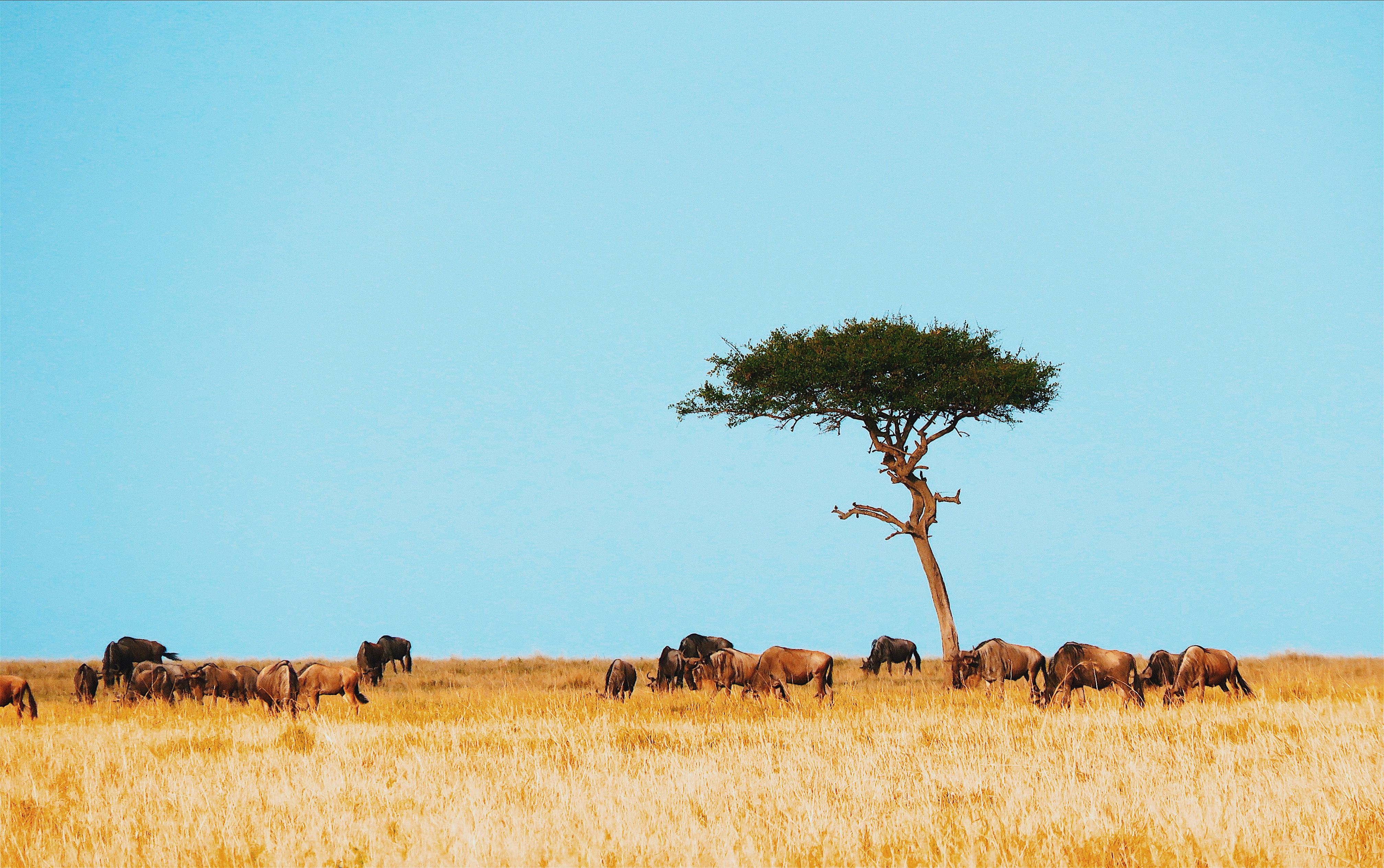
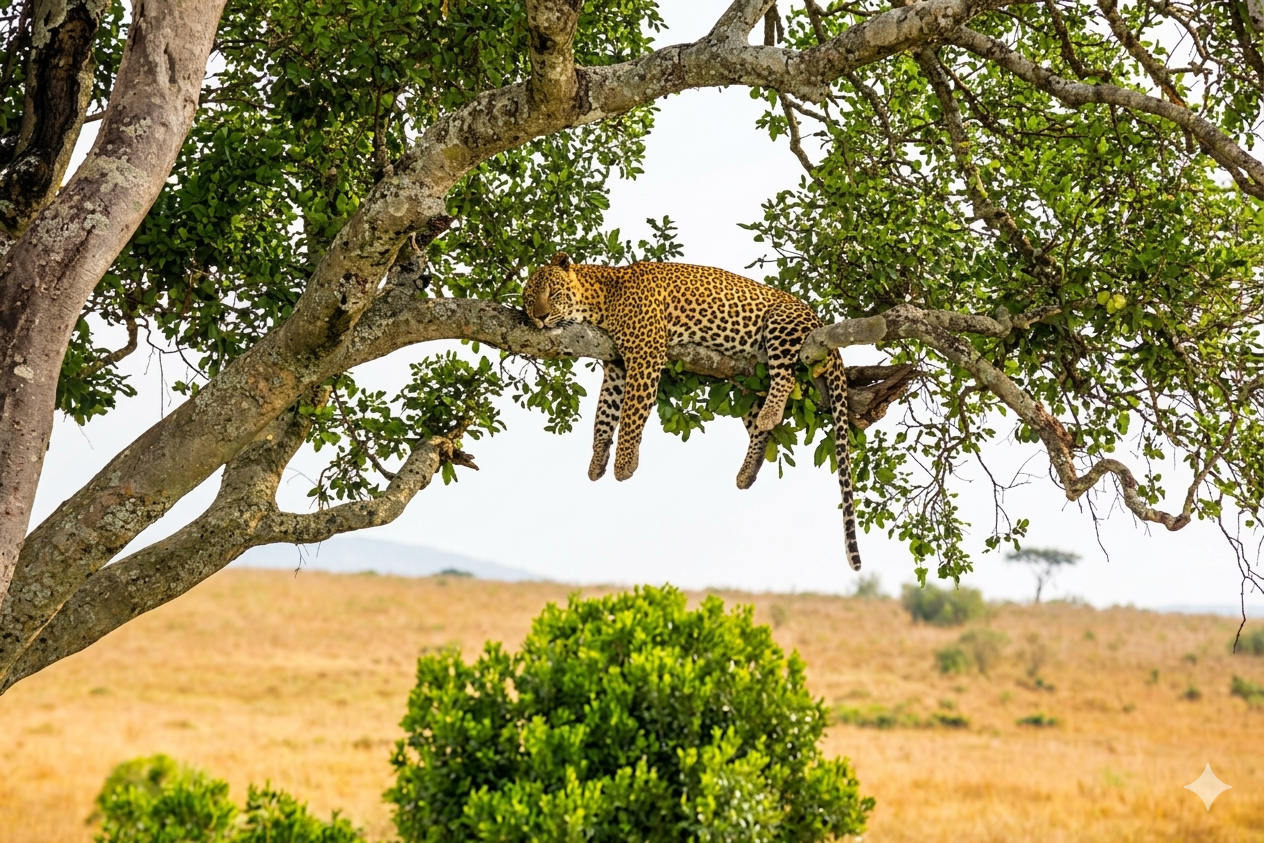
Kenya is not a single safari destination. It is a country of dramatically different ecosystems, each with its own rhythm, its own season, and its own wildlife calendar. The Masai Mara in July is a different experience to the Mara in February. Amboseli in the dry season is a different world to Amboseli in the rains. Getting the timing right changes everything. I have guided clients through every month of the Kenyan safari year. Here is what I tell them. Kenya’s Two Dry Seasons Kenya has two dry seasons and two wet seasons. The long dry season runs from late June to October. The short dry season runs from January to mid-March. Between them sit the long rains (March to May) and the short rains (November to December). The dry seasons are the traditional “best time” for safari. The grass is shorter, animals concentrate around water sources, and the bush is more open — all of which make wildlife easier to see. But the wet seasons are not the disaster most people assume, and in some areas they are actively better. July to October — The Great Migration If there is a single reason most clients come to Kenya, it is the Great Migration. Between July and October, approximately 1.5 million wildebeest, 200,000 zebra and 500,000 gazelle cross the Mara River from Tanzania’s Serengeti into Kenya’s Masai Mara. The river crossings — chaotic, dangerous, staggering in scale — are among the most dramatic wildlife events on earth. July and August are peak season. The camps are at their busiest and prices are at their highest. September and October offer the same migration spectacle with slightly fewer visitors and marginally lower rates. If your dates are flexible, late September is my personal favourite — the herds are still in the Mara, the light is extraordinary, and the camps feel less crowded. Best for: First-time visitors who want the Migration. Big cat encounters. River crossings. Classic safari photography. “I have watched the wildebeest cross the Mara River over fifty times. It has never once felt routine. The scale of it defeats familiarity.” — Nick, Africa & Safari Specialist January to March — The Green Season The short dry season from January to mid-March is underrated and undervisited. The landscape is lush and green after the short rains, the air is clear, and the Mara is at its most photogenic. This is calving season in the southern Serengeti (just across the border), and the predator activity in the Mara itself remains excellent year-round. Amboseli National Park is at its absolute best in January and February. The skies are reliably clear, and Mount Kilimanjaro — visible from most camps in Amboseli — is at its most dramatic against the dry-season blue. Elephant herds in Amboseli during this period are among the finest wildlife photography subjects in Africa. Best for: Photography (green landscape, Kilimanjaro backdrops). Quieter camps. Lower prices than peak season. Amboseli at its finest. Pricing: January to March rates are typically 20–30% lower than July–August peak. Availability is significantly better. The Long Rains — April and May April and May are the wettest months in Kenya. Many camps in the Masai Mara close for part of this period. Roads can become difficult. This is the lowest season, and for most travellers I would not recommend it as a first visit. However: Laikipia and the northern conservancies (Ol Pejeta, Lewa, Borana) remain accessible year-round and are genuinely excellent in April and May. The landscape is at its greenest, birdlife is exceptional, and the camps that remain open offer significant discounts. For repeat visitors who know what they are getting, April safari in Laikipia can be remarkable. November and December — The Short Rains The short rains arrive in November and typically last into mid-December. Rain falls in short afternoon bursts rather than all-day downpours. The bush transforms from dry gold to vivid green within days. Birdlife explodes — migratory species arrive from Europe, and the resident species are in breeding plumage. The Mara is still excellent in November. The Migration herds have largely returned to Tanzania, but the resident wildlife — lion, leopard, cheetah, elephant, buffalo — remains year-round. The camps are quiet, the rates are low, and the light after rain is the best photographic light of the entire year. Best for: Birdwatchers. Photographers who want dramatic skies. Budget-conscious travellers. Anyone who values quiet camps over peak-season crowds. Which Region, Which Month? Kenya is not one destination. The right region depends on the month: The Verdict There is no single best time to visit Kenya. The Migration demands July to October. Photography demands January to March. Value demands November. And for travellers who are flexible and trust their specialist, every month has something worth seeing. The conversation that matters is not “when should I go?” but “what do I want to see?” That is what our Africa specialists are here to answer.
NNickRead ->