The HighStreet Holidays Journal
Travel, Deeply Considered
Expert guides, destination deep-dives, First Class cabin reviews and insider knowledge from the specialists who have actually been there.
Explore by Destination
Filtered Articles: Kenya · Best Time To Visit
 Planning Guide
Your First Luxury Safari — Everything You Need to Know
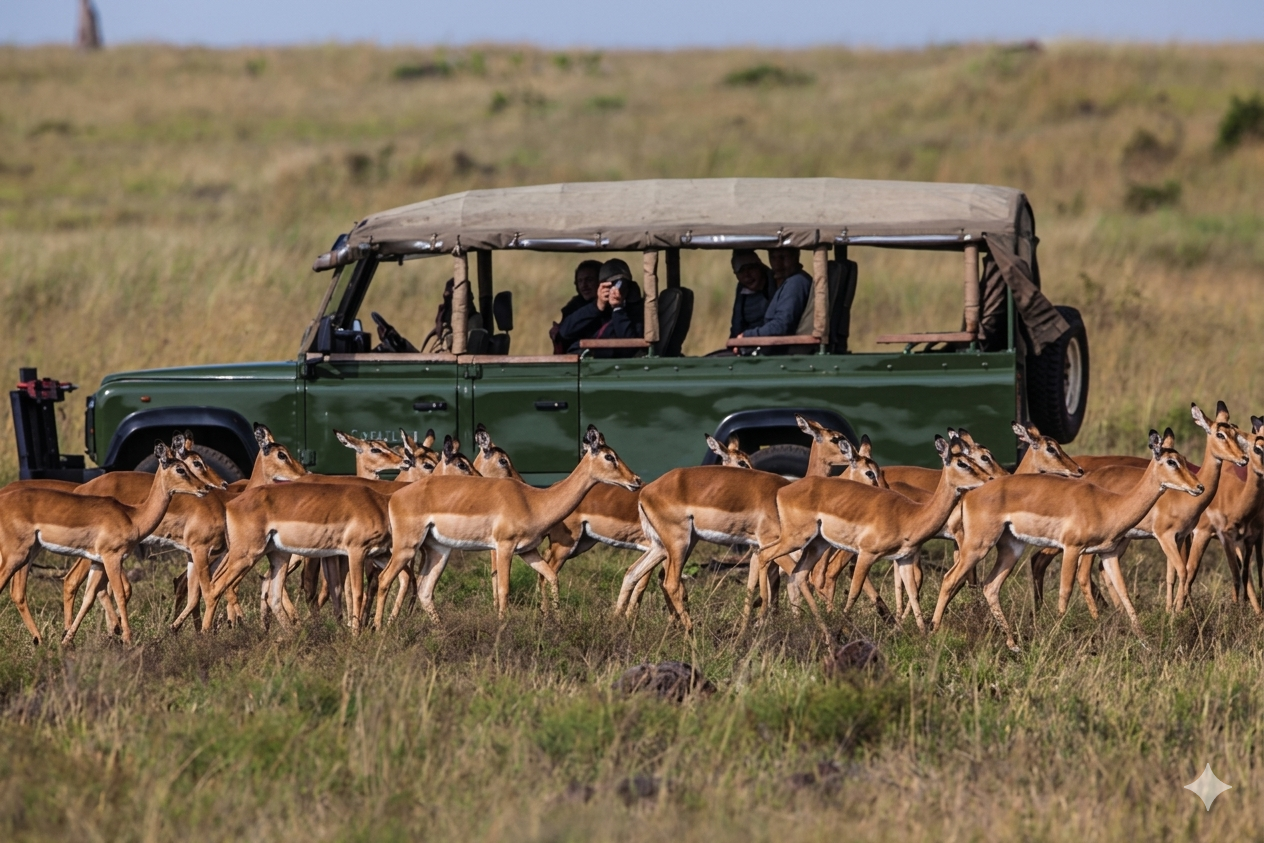
Your first safari is unlike any other holiday you will take. It is more logistically complex, more emotionally intense, and more rewarding than anything you have experienced before. But the gap between a good first safari and a disappointing one is almost entirely determined by decisions made before you leave — the country, the camp, the timing and what you pack. This is everything I wish someone had told me before my first safari, and everything I now tell every first-time client. Which Country for Your First Safari? For a first safari, I almost always recommend Kenya or Tanzania. Both offer the highest concentration of wildlife, the most reliable game viewing, the best infrastructure and the most iconic landscapes. You will see the Big Five. You will see them frequently. The camps and lodges range from excellent to extraordinary. South Africa is a strong alternative if you want to combine safari with wine country, coastal scenery and a city experience (Cape Town). Botswana is exceptional but more expensive, more remote, and better suited to repeat visitors who already know what they want from a safari. My recommendation for a first safari: Kenya. Direct flights from London, the Masai Mara is one of the finest reserves in Africa, and the Mara Conservancies offer private, uncrowded game drives even in peak season. Bush Camp vs Lodge — What’s the Difference? A tented camp is not what you think it is. A “tent” at a luxury safari camp is a permanent, insulated structure with a proper bed, en-suite bathroom, running water, electricity, and often a private deck and plunge pool. The canvas walls are the point — you fall asleep hearing the bush. A lion calling at 2am is part of the experience, not a problem. A lodge is a permanent building — stone, wood, glass. Angama Mara, Singita Serengeti House and andBeyond Ngorongoro Crater Lodge are lodges. They feel more like a luxury hotel. The game drive experience is identical. For a first safari, I recommend a tented camp. The immersion in the environment is what makes safari unique — a lodge distances you from it. If you are genuinely uncomfortable with the idea of canvas walls, a lodge is the right choice, but most clients who try a tented camp for the first time never go back to lodges. “The first time a lion calls in the dark and you realise there is nothing between you and it but canvas and fifty metres of grass — that is the moment you understand what safari actually is.” — Manny, Adventure & Safari Specialist How Long to Go A minimum of 4 nights on safari. Fewer than that and you will not settle into the rhythm — early wake-ups, morning drives, afternoon siestas, evening drives, dinner under the stars. It takes two days to decompress and stop looking at your phone. The real safari begins on day three. The ideal first safari is 6–7 nights, split across two camps in different ecosystems. The Masai Mara for big cats and open savannah, then Amboseli for elephants and Kilimanjaro views. Or the Serengeti for the Migration, then the Ngorongoro Crater for the caldera experience. Two camps give you variety without exhaustion. If you are combining safari with a beach extension (Zanzibar, Maldives, Mauritius), budget 4–5 nights on safari and 4–5 nights on the beach. The combination of bush and coast is one of the finest holiday formats in luxury travel. Health, Safety and Malaria Most safari destinations in East Africa are in malaria zones. You will need antimalarial medication — consult your GP or a travel health clinic at least 6 weeks before departure. The most commonly prescribed options are Malarone (atovaquone/proguanil) and Doxycycline. Both are effective. Malarone has fewer side effects for most people. Yellow fever vaccination is required for entry into Kenya and Tanzania if you are travelling from or via a yellow fever endemic country. Check current requirements with your specialist. Safari is safe. The camps are professionally managed, the guides are experienced, and the animals are wild but not dangerous to guests who follow the rules. The main rule: do not leave your tent at night without an escort, and do not stand up in the vehicle during a game drive. These are simple and sensible. What to Pack — and What Not To Colours: Neutral tones — khaki, olive, tan, grey. Avoid bright white (reflects light and startles animals), dark blue and black (attract tsetse flies in some areas). No camouflage (this is military-associated in some African countries and can cause problems). Layers: Mornings on safari are cold — often single digits at dawn in the Mara during July and August. You need a warm fleece or down jacket for the morning drive and a light shirt for midday. The temperature swing between 6am and noon can be 20 degrees. Bags: Soft bags only. Light aircraft luggage limits are typically 15-20kg per person in a soft-sided bag (no hard suitcases - they do not fit in the aircraft hold). This is a firm limit, not a suggestion. Pack less than you think you need. The camp will launder your clothes daily. Camera: A telephoto lens (at minimum 200mm, ideally 100–400mm) will transform your photography. A phone camera will not do justice to a lion at 30 metres. If you do not own a telephoto lens, some camps have them available to borrow. What to Expect on a Typical Day 5:00–5:30am: Wake-up call. Tea or coffee at the main area. It is dark and cold. Dress warmly. 6:00–9:30am: Morning game drive. This is the best wildlife viewing of the day. Cats are active, light is golden, the bush is alive. Your guide will stop for a bush breakfast midway -coffee and pastries under an acacia tree. 10:00am–3:30pm: Brunch at camp, followed by free time. Read, swim, sleep, visit the spa. The heat of the day is not productive for game viewing — the animals rest, and so should you. 4:00–6:30pm: Afternoon game drive. The light softens, the temperature drops, and predators begin to stir. Sundowners — gin and tonic in the bush as the sun sets — are a sacred safari tradition. 7:30pm: Dinner. Often outdoors, often around a fire, often extraordinary. Safari dining is one of the underappreciated pleasures of the experience. How Much It Costs A luxury safari in Kenya or Tanzania, including return flights from the UK, internal transfers, full-board accommodation and game drives, starts from approximately £4,500–6,000 per person for 7 nights. At the top end (Singita, andBeyond, Angama), expect £8,000–15,000 per person. These prices are all-inclusive — every meal, every drink, every game drive. Adding a beach extension (5 nights in Zanzibar or the Maldives) adds approximately £2,000–5,000 per person depending on the destination and property. Every booking through HighStreet Holidays is ATOL protected (No. 12118). Your money is financially secure from the moment you book.
 When to Visit
Best Time to Visit Kenya — Safari Season Explained
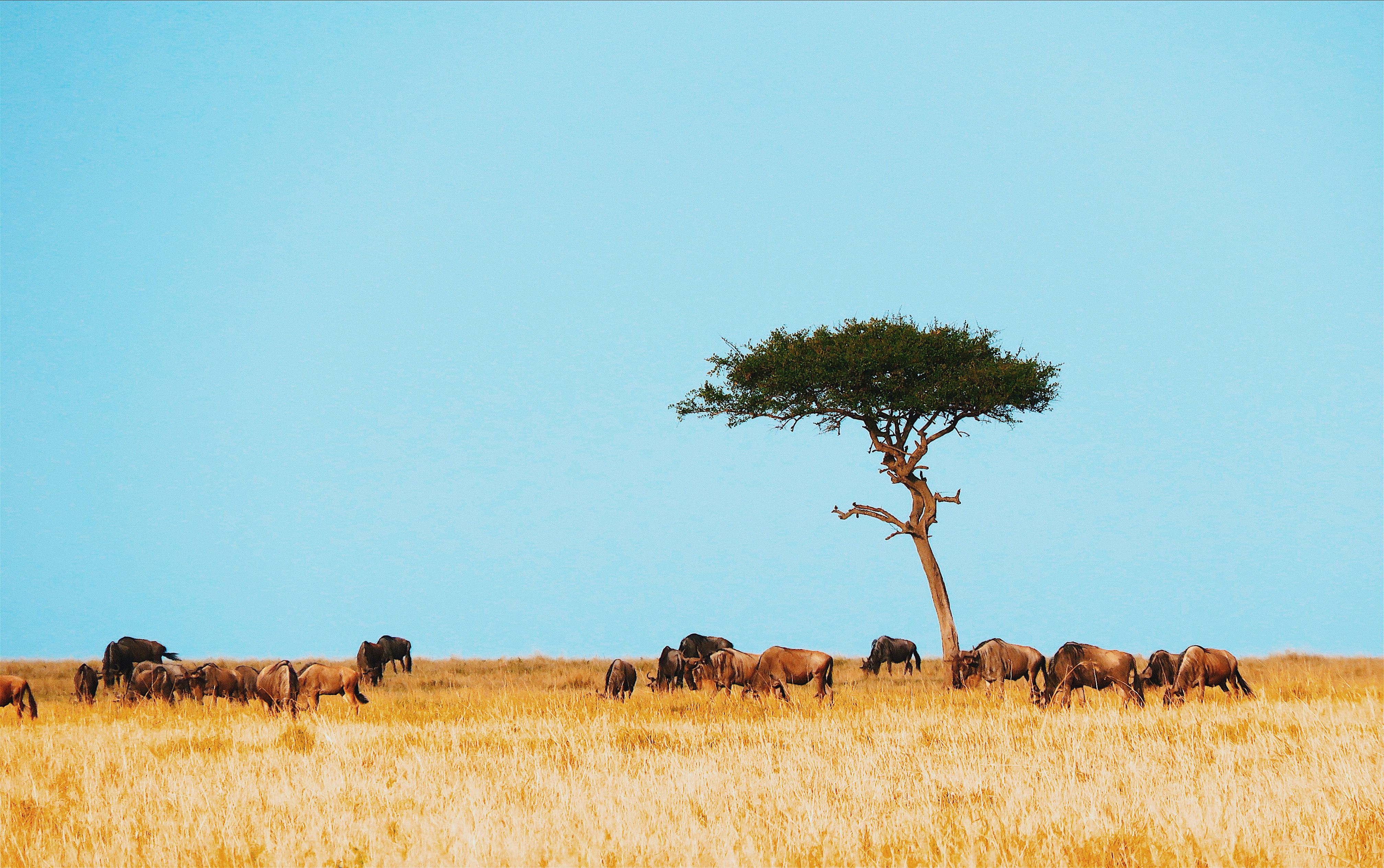
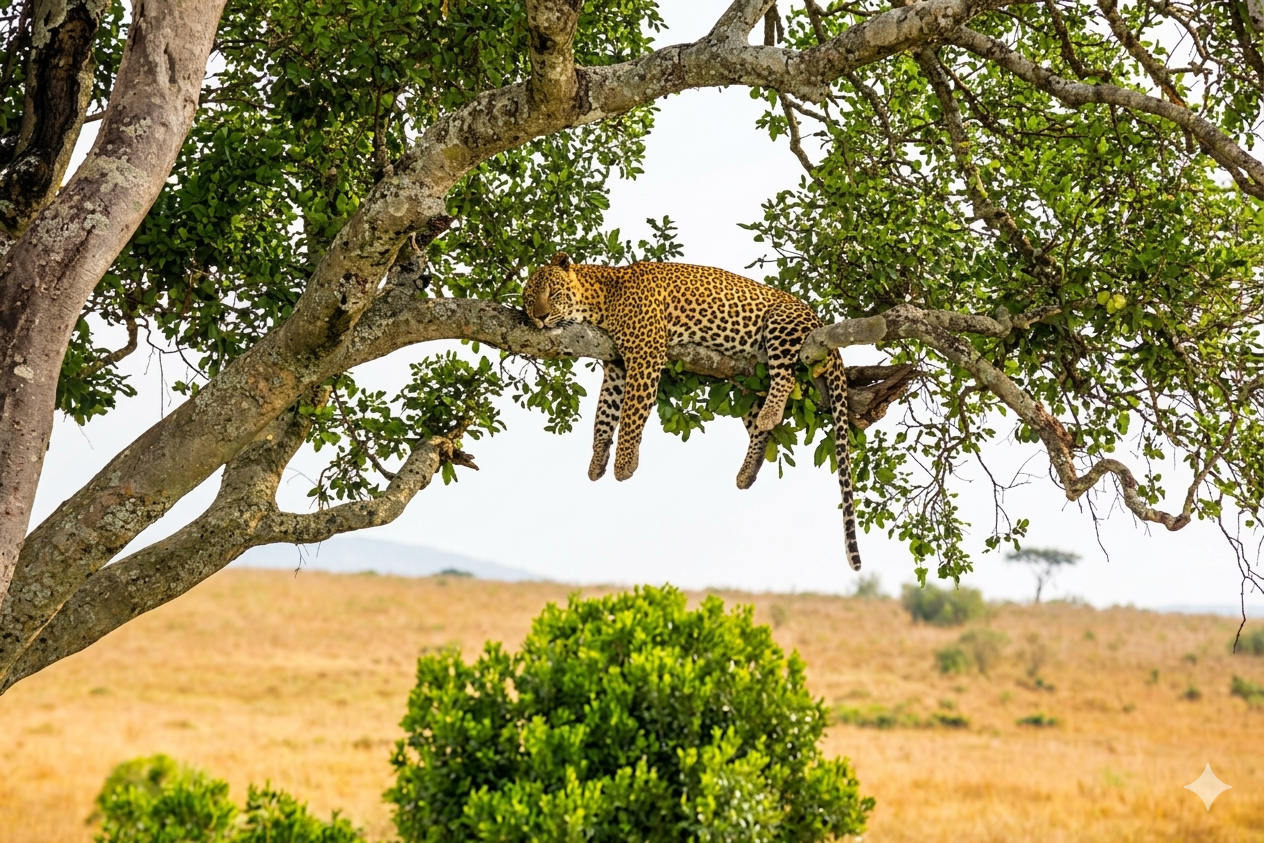
Kenya is not a single safari destination. It is a country of dramatically different ecosystems, each with its own rhythm, its own season, and its own wildlife calendar. The Masai Mara in July is a different experience to the Mara in February. Amboseli in the dry season is a different world to Amboseli in the rains. Getting the timing right changes everything. I have guided clients through every month of the Kenyan safari year. Here is what I tell them. Kenya’s Two Dry Seasons Kenya has two dry seasons and two wet seasons. The long dry season runs from late June to October. The short dry season runs from January to mid-March. Between them sit the long rains (March to May) and the short rains (November to December). The dry seasons are the traditional “best time” for safari. The grass is shorter, animals concentrate around water sources, and the bush is more open — all of which make wildlife easier to see. But the wet seasons are not the disaster most people assume, and in some areas they are actively better. July to October — The Great Migration If there is a single reason most clients come to Kenya, it is the Great Migration. Between July and October, approximately 1.5 million wildebeest, 200,000 zebra and 500,000 gazelle cross the Mara River from Tanzania’s Serengeti into Kenya’s Masai Mara. The river crossings — chaotic, dangerous, staggering in scale — are among the most dramatic wildlife events on earth. July and August are peak season. The camps are at their busiest and prices are at their highest. September and October offer the same migration spectacle with slightly fewer visitors and marginally lower rates. If your dates are flexible, late September is my personal favourite — the herds are still in the Mara, the light is extraordinary, and the camps feel less crowded. Best for: First-time visitors who want the Migration. Big cat encounters. River crossings. Classic safari photography. “I have watched the wildebeest cross the Mara River over fifty times. It has never once felt routine. The scale of it defeats familiarity.” — Nick, Africa & Safari Specialist January to March — The Green Season The short dry season from January to mid-March is underrated and undervisited. The landscape is lush and green after the short rains, the air is clear, and the Mara is at its most photogenic. This is calving season in the southern Serengeti (just across the border), and the predator activity in the Mara itself remains excellent year-round. Amboseli National Park is at its absolute best in January and February. The skies are reliably clear, and Mount Kilimanjaro — visible from most camps in Amboseli — is at its most dramatic against the dry-season blue. Elephant herds in Amboseli during this period are among the finest wildlife photography subjects in Africa. Best for: Photography (green landscape, Kilimanjaro backdrops). Quieter camps. Lower prices than peak season. Amboseli at its finest. Pricing: January to March rates are typically 20–30% lower than July–August peak. Availability is significantly better. The Long Rains — April and May April and May are the wettest months in Kenya. Many camps in the Masai Mara close for part of this period. Roads can become difficult. This is the lowest season, and for most travellers I would not recommend it as a first visit. However: Laikipia and the northern conservancies (Ol Pejeta, Lewa, Borana) remain accessible year-round and are genuinely excellent in April and May. The landscape is at its greenest, birdlife is exceptional, and the camps that remain open offer significant discounts. For repeat visitors who know what they are getting, April safari in Laikipia can be remarkable. November and December — The Short Rains The short rains arrive in November and typically last into mid-December. Rain falls in short afternoon bursts rather than all-day downpours. The bush transforms from dry gold to vivid green within days. Birdlife explodes — migratory species arrive from Europe, and the resident species are in breeding plumage. The Mara is still excellent in November. The Migration herds have largely returned to Tanzania, but the resident wildlife — lion, leopard, cheetah, elephant, buffalo — remains year-round. The camps are quiet, the rates are low, and the light after rain is the best photographic light of the entire year. Best for: Birdwatchers. Photographers who want dramatic skies. Budget-conscious travellers. Anyone who values quiet camps over peak-season crowds. Which Region, Which Month? Kenya is not one destination. The right region depends on the month: The Verdict There is no single best time to visit Kenya. The Migration demands July to October. Photography demands January to March. Value demands November. And for travellers who are flexible and trust their specialist, every month has something worth seeing. The conversation that matters is not “when should I go?” but “what do I want to see?” That is what our Africa specialists are here to answer.
 Where to Go
Where to Go on Holiday in Winter 2026 — Our Picks
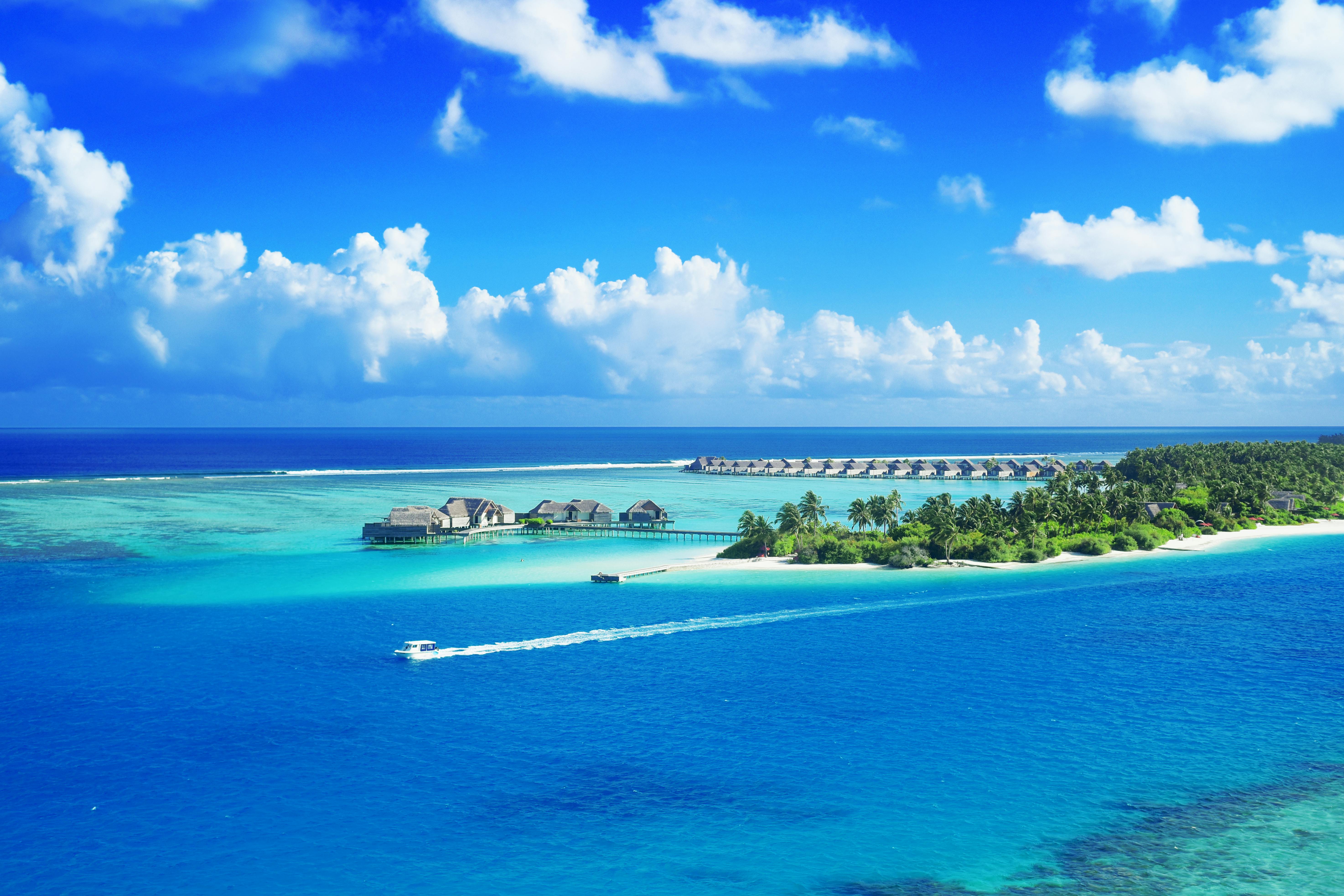
Every year, the same question arrives with the September rain: where should I go this winter? The answer changes year to year — new properties open, flight routes shift, and some destinations become genuinely better or worse depending on what has happened in the world. These are our specialists’ picks for winter 2026 — the destinations they are actively recommending to clients right now, and why. The Maldives — Still the Benchmark The Maldives remains the single most requested winter sun destination among our clients, and for good reason. December to March is peak dry season, the water is at its clearest, and the resorts are at their most polished. Soneva Fushi in the Baa Atoll, One&Only Reethi Rah, and the new Patina Maldives are all exceptional choices. The caveat: Christmas and New Year in the Maldives is the most expensive two weeks in luxury travel. If your dates are flexible, early January or February offer identical weather at significantly lower prices. Barbados — The Caribbean at Its Most Refined The west coast of Barbados in winter is perfection. Calm turquoise water, golden sand, and a culinary scene that has quietly become one of the best in the Caribbean. Sandy Lane remains the benchmark, but Cobblers Cove and The Sandpiper offer a more intimate scale. The flight from London is direct (approximately 8.5 hours), which makes Barbados one of the most accessible Caribbean islands. Kenya — Green Season Safari January and February in Kenya is green season — the landscape is lush, the light is extraordinary, and the camps are quiet. This is not Migration season (that is July to October), but the resident wildlife in the Masai Mara is excellent year-round. Amboseli is at its absolute best in January, with clear views of Kilimanjaro against blue skies. Prices are 20–30% lower than peak. Thailand — The East at Its Most Welcoming November to February is Thailand’s dry season — warm, sunny, and the humidity drops to manageable levels. Koh Samui, Phuket and Krabi are all excellent. For something more distinctive, consider Chiang Mai in the north — cooler temperatures, temple culture, and the night markets at their vibrant best. Oman — The Desert at Its Most Comfortable Oman in winter is one of the Middle East’s best-kept secrets. Temperatures hover around 25°C, the air is dry and clear, and the landscape — dramatic wadis, ancient forts, empty coastline — is at its most inviting. Alila Jabal Akhdar, perched on the rim of a canyon in the Al Hajar mountains, is one of the most striking hotel locations in the world. Sri Lanka — Two Coasts, Two Seasons Sri Lanka’s weather splits by coast: the south and west coasts are dry from November to March, making this the ideal winter window. The tea trails of the hill country are at their greenest. Combine south-coast beaches (Tangalle, Weligama) with cultural triangle temples (Sigiriya, Dambulla) and a few days in the highlands for one of the most varied short-haul winter trips available from the UK. Dubai — The Obvious Done Well Dubai in winter is not subtle and does not pretend to be. But at its best — a desert camp at sunset, a table at Nobu on Palm Jumeirah, a morning at the souks before the crowds — it delivers a particular kind of luxury that no other destination replicates. December to February temperatures are perfect (22–28°C). The flight is short (7 hours). The family infrastructure is world-class. South Africa — Safari Meets Coast December to February is summer in South Africa. The Cape Winelands are at their most beautiful, Cape Town’s beaches are warm, and the Eastern Cape safari reserves (Shamwari, Kwandwe) are in excellent game-viewing condition. Combine Cape Town, the Garden Route and a Big Five safari for a winter trip that covers everything. Mauritius — The Quiet Indian Ocean Mauritius is warmer and slightly wetter than the Maldives in winter, but the west coast (where the best resorts sit) remains reliably sunny. One&Only Le Saint Géran, LUX* Le Morne and The Oberoi are all excellent. Mauritius offers more to do beyond the beach than the Maldives — markets, rum distilleries, nature reserves, a genuine local culture — which makes it a strong choice for travellers who get restless after three days of doing nothing. Antarctica — The Ultimate Winter Escape December to February is the Antarctic summer — 20 hours of daylight, temperatures around 0°C, and the ice retreats enough for expedition vessels to navigate the channels and peninsulas. This is the most extraordinary trip we arrange. Scenic Eclipse II offers the most luxurious expedition cruise experience currently operating. Book 12–18 months ahead — the best cabins sell fast. Every destination in this list, from the Maldives to Antarctica, is ATOL protected when booked through HighStreet Holidays (No. 12118). Your money is secure, your flights are included, and your specialist handles every detail.
From the Maldives Specialist
The Maldives is about which version of yourself you want to be for seven days.Travel specialist
From the Africa Specialist
A safari is the only holiday where you go to be genuinely surprised.James Okafor
From the Founder
Travel can be more personal, more considered, and more genuine.Monis · Founder
Also from Rizka Travel