The HighStreet Holidays Journal
Travel, Deeply Considered
Expert guides, destination deep-dives, First Class cabin reviews and insider knowledge from the specialists who have actually been there.
Explore by Destination
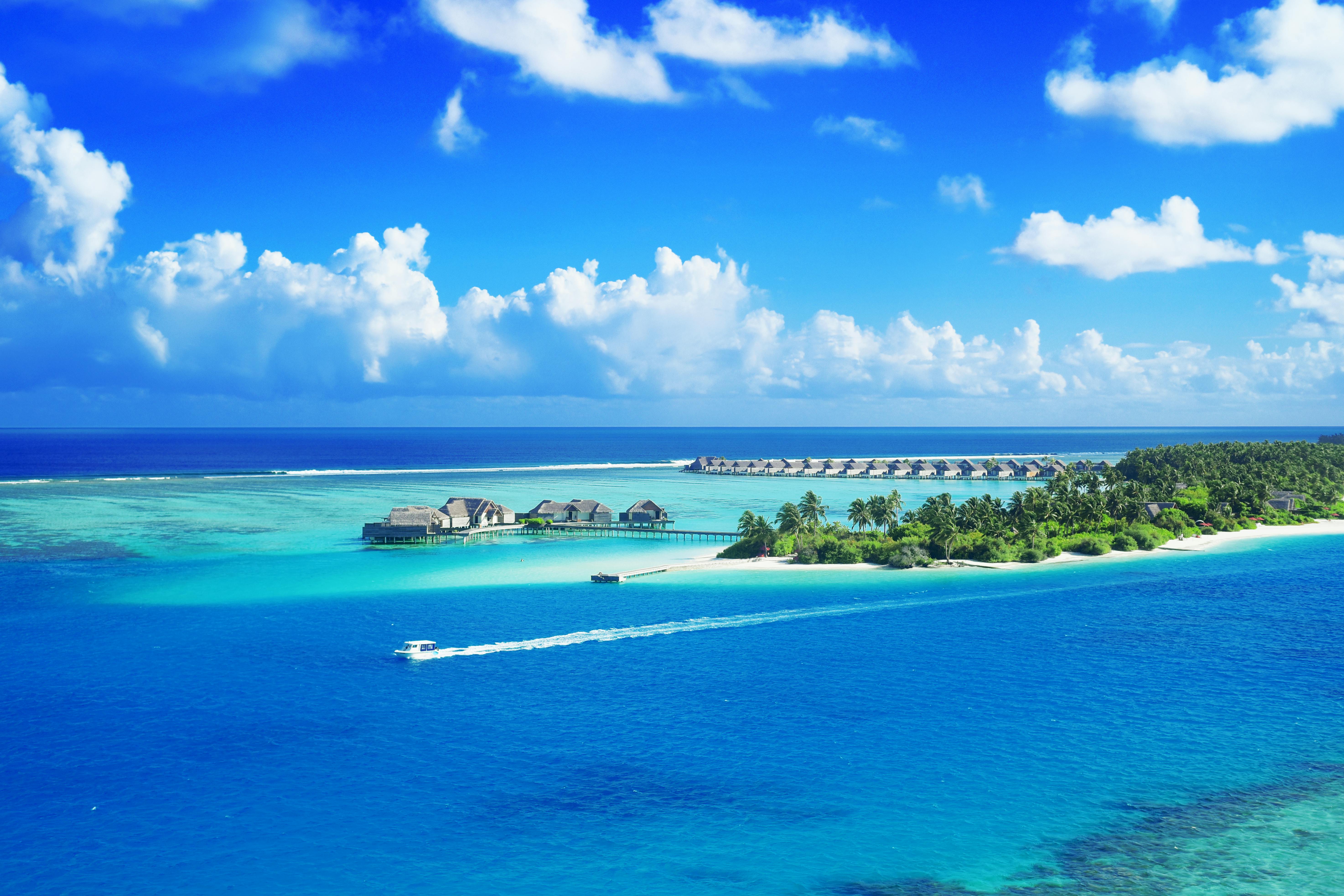
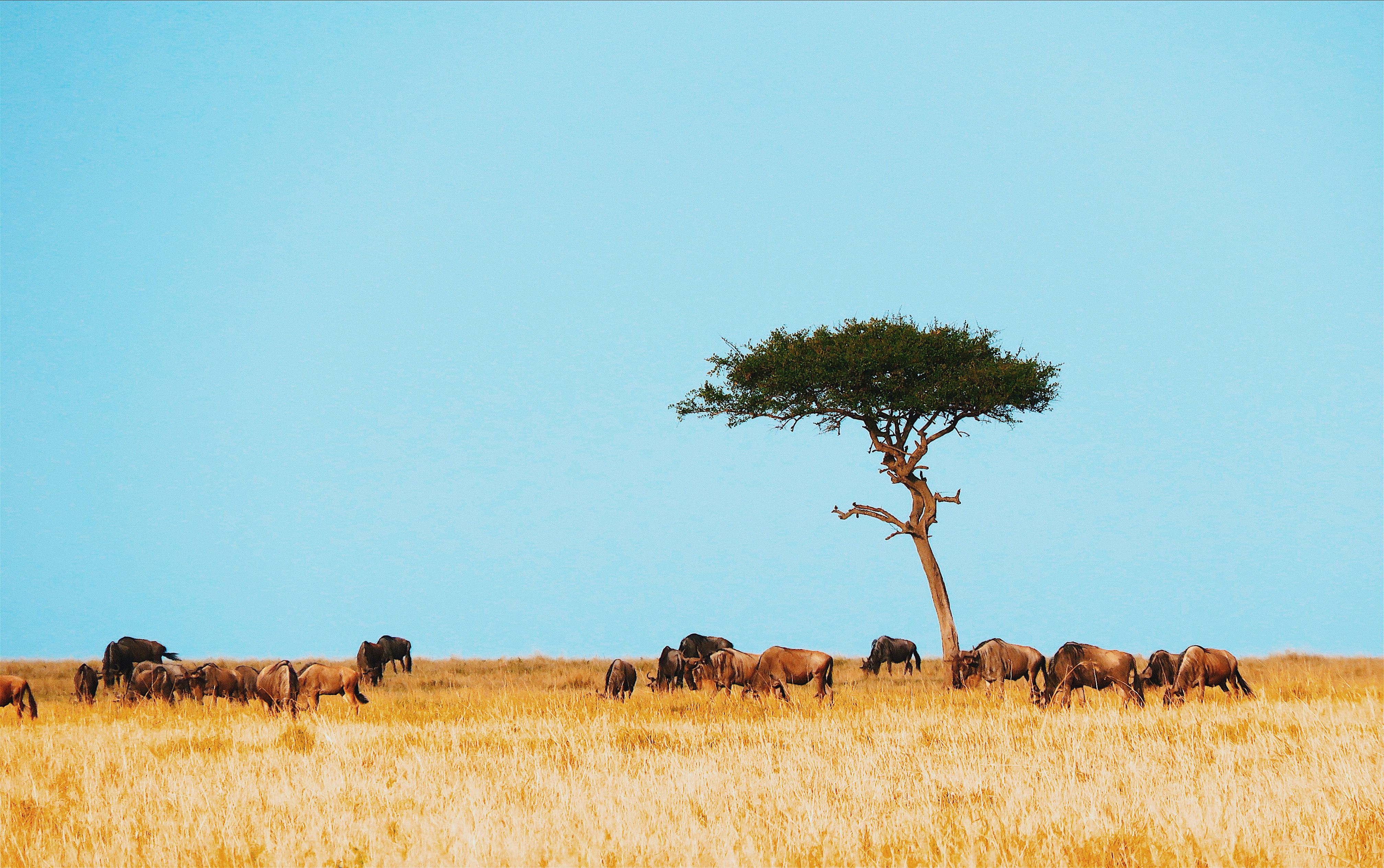
Filtered Articles: Maldives
 Planning Guide
How to Plan the Perfect Honeymoon — A Specialist’s Honest Guide
In eight years of arranging honeymoons, I have learned one thing above all else: the couples who have the best honeymoons are almost never the ones who spent the most money. They are the ones who made the right decisions early — about destination, timing, pace and expectation — and avoided the mistakes that trip up everyone else. This guide covers everything I tell my clients in the first conversation. It is not a list of destinations. It is the decisions that determine whether your honeymoon is good or genuinely unforgettable. When to Start Planning Start planning your honeymoon at the same time you start planning your wedding — 9 to 12 months before your departure date. Not 9 months before the wedding, 9 months before you actually travel. If you are getting married in June and honeymooning in September, that means starting in September the year before. The reason is availability. The properties that make a honeymoon extraordinary — Soneva Fushi in the Maldives, Angama Mara in Kenya, COMO Laucala in Fiji — have limited room counts. The best villas and suites at these properties book 6–9 months ahead for peak season. Leave it until three months before and your first-choice property will almost certainly be full. The single most common mistake I see is couples who plan the wedding first, collapse afterwards, then start thinking about the honeymoon with eight weeks to go. By that point, you are choosing from what is left rather than what is best. Destination: Start with the Feeling, Not the Place Most couples start with a destination: “We want to go to the Maldives.” That is fine. But the better question is: what do you want to feel? Do you want to do nothing for two weeks? The Maldives, Seychelles or Mauritius will deliver that. Do you want adventure with luxury? Kenya and Tanzania, followed by a beach in Zanzibar, will give you both. Do you want culture, food and exploration? Japan, Italy or Vietnam. Do you want something nobody else has done? Antarctica, Galápagos, French Polynesia. The destination should serve the feeling, not the other way around. I have had couples insist on the Maldives because it is the “honeymoon destination”, only to discover on day four that two weeks of doing nothing is not what either of them actually wanted. The right conversation at the start prevents this entirely. “The couples who have the best honeymoons are the ones who were honest about what they actually enjoy — not what honeymoons are supposed to look like on Instagram.” — Anna, Romance & Honeymoon Specialist Budget: How to Think About It Honeymoon budgets range from £3,000 per person to £30,000 per person. Both can produce extraordinary trips. The difference is not quality — it is scope. At £3,000–5,000 per person, you can have a genuinely luxurious week in Mauritius, the Seychelles or Bali. At £5,000–10,000, the Maldives, a Kenya-Zanzibar combination, or two weeks in Japan become realistic. Above £10,000, you are in private island and Aman territory. Two things that consistently catch couples off guard: internal transfers (seaplane transfers in the Maldives cost £400–600 per person return) and meal plans (half-board at a top Maldives resort adds £150–250 per person per day). Build these into your budget from the start, not as surprises at the end. The Multi-Centre Question Should you visit one destination or two? My general guidance: if your honeymoon is 7–10 days, stay in one place. If it is 10–14 days, two destinations work well. If it is longer than 14 days, three is possible but two is usually better. The classic multi-centre honeymoon combinations that work consistently: safari in Kenya or Tanzania followed by beach in the Maldives or Zanzibar. Dubai city break followed by the Maldives. Bali culture and rice terraces followed by an overwater villa in the Maldives or a private island in Fiji. Japan followed by beach time in Thailand or Bali. The combinations that look good on paper but often do not work in practice: three countries in two weeks (too rushed, too many flights, too many hotel check-ins). Anywhere involving long layovers in transit cities. Mixing a very active itinerary with a very relaxed one in a way that creates whiplash rather than flow. The Five Mistakes Couples Make Most Often 1. Leaving immediately after the wedding. You will be exhausted. Build in at least two days between the wedding and your departure. Ideally three. The first day of your honeymoon should not be spent recovering from the day before. 2. Choosing a destination because of a single photograph. A photograph tells you nothing about the weather, the transfer logistics, the dining options or whether the resort is under renovation. A conversation with a specialist tells you all of it. 3. Overcomplicating the itinerary. The temptation to see and do everything is strongest on a honeymoon — this is your one big trip. Resist it. The best honeymoons have generous pace and deliberate downtime. You should be bored at some point. That is how you decompress. 4. Not telling the resort it is your honeymoon. Every good property offers complimentary honeymoon touches — champagne on arrival, a romantic dinner setup, a room upgrade if available. But they need to know. Your specialist should flag this at booking, and you should mention it at check-in. 5. Booking without ATOL protection. Your honeymoon is likely the most expensive holiday you will ever take. ATOL protection means your money is financially protected if anything goes wrong — airline failure, operator collapse, anything. Every booking through HighStreet Holidays is ATOL protected (No. 12118). Our Top Honeymoon Destinations by Type The One Thing That Matters Most After hundreds of honeymoons arranged, the one thing I know for certain is this: the couples who talk to a specialist early, honestly, and without a fixed idea have better honeymoons than those who arrive with a Pinterest board and a rigid plan. Your honeymoon is not a checklist. It is a trip that should feel like the first chapter of the next part of your life. Getting it right takes a conversation — not a search engine.
 When to Visit
Best Time to Visit Japan — Cherry Blossom, Autumn & Beyond
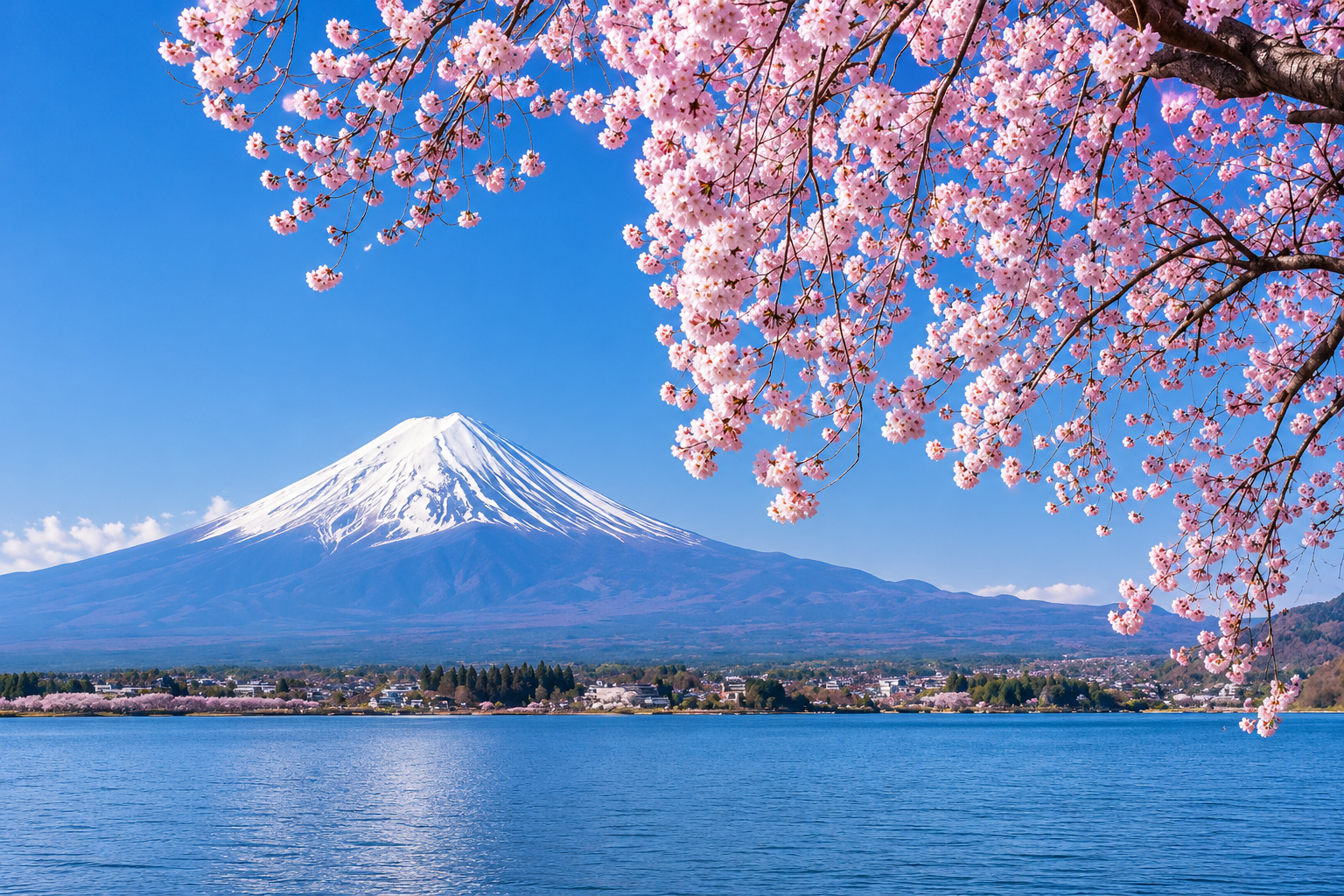
Japan repays the attentive traveller unlike almost anywhere else on earth. But getting the timing right changes everything. Cherry blossom season is genuinely transformative — and genuinely brief. Autumn foliage in Kyoto is arguably even more beautiful, and far less crowded. The ski season in Hokkaido rivals the Alps. The summer festivals are extraordinary. Each season offers a fundamentally different Japan. Here is how to choose the right one for you. Spring — Cherry Blossom (Late March to Mid-April) Cherry blossom season (sakura) is the single most popular time to visit Japan, and for good reason. The blossoms are ephemeral — peak bloom lasts approximately 7–10 days in any given city — and the entire country organises itself around their arrival. Parks fill with hanami (blossom-viewing) gatherings. Temples and shrines become ethereal. The light is soft and warm. The key challenge is timing. The blossom front moves from south to north — Kyushu in late March, Kyoto and Tokyo in early April, Tohoku and Hokkaido in late April. If you want to guarantee blossom, build your itinerary to move with the front, or plan your trip around Kyoto in the first week of April, which is historically the most reliable window. Best for: First-time visitors who want the iconic Japan experience. Romance. Photography. Cultural immersion. The honest caveat: Cherry blossom season is extremely popular. Hotels in Kyoto book 6–9 months ahead for peak bloom week. Prices are at their highest. Temples and parks are crowded. If crowds bother you, consider autumn instead. “Cherry blossom is everything they say it is. Autumn in Kyoto is everything they forget to mention. Both are extraordinary. Autumn is quieter.” — Max, Asia & Middle East Specialist Autumn — Koyo Foliage (Mid-November to Early December) Autumn foliage in Japan (koyo) is, in my personal opinion, the most beautiful season to visit. The maples turn from green to gold to deep crimson across three weeks, and the effect against the dark wood and stone of Kyoto’s temples is staggering. Tofuku-ji, Eikando and Kiyomizu-dera are among the finest autumn landscapes in the world. The foliage front moves from north to south — the opposite of cherry blossom. Hokkaido peaks in mid-October, Tokyo in late November, Kyoto in late November to early December. For Kyoto specifically, the third and fourth weeks of November are the sweet spot. Autumn is less crowded than cherry blossom season. Prices are lower. Availability is better. The weather is cool, clear and ideal for walking. If you are choosing between spring and autumn, autumn gives you 80% of the beauty at 60% of the cost and half the crowds. Best for: Repeat visitors. Travellers who prefer fewer crowds. Photography. Temple visits. Hiking. Onsen (hot spring) season begins. Summer — Festivals and Mountains (June to August) Japanese summers are hot and humid — Tokyo in August regularly exceeds 35°C with high humidity. This deters many visitors, which means the cultural sites are quieter than spring or autumn. It also means the summer festivals (matsuri) are largely experienced without the international tourist crowd. The festivals are worth the heat. Gion Matsuri in Kyoto (July) is one of the most visually spectacular festivals in Asia. Tenjin Matsuri in Osaka (July) is nearly as impressive. Obon (mid-August) brings lantern ceremonies, Bon Odori dancing and a deep cultural atmosphere across the country. For travellers who want to escape the heat: the Japanese Alps (Kamikochi, Takayama) are cool and spectacular in summer. Hokkaido is pleasant — lavender fields in Furano peak in July, and the hiking is world-class. Best for: Festival enthusiasts. Mountain hiking. Hokkaido exploration. Budget-conscious luxury travellers (summer is lower season except during Obon). Winter — Snow, Ski and Onsen (December to February) Hokkaido receives some of the most consistent powder snow in the world. Niseko is the most famous ski resort, but Furano, Rusutsu and Kiroro offer equally excellent conditions with fewer international visitors. The snow quality — dry, light, reliably deep — rivals the best in the Alps or the Rockies. Beyond skiing, winter Japan has its own magic. Snow monkeys bathing in hot springs in Nagano (Jigokudani). Illuminated temples in Kyoto. Sapporo Snow Festival (early February) — one of the world’s largest winter festivals, with ice sculptures the size of buildings. The onsen experience is at its finest in winter. Soaking in an outdoor hot spring (rotenburo) while snow falls around you is one of the most quintessentially Japanese experiences available to a visitor. Best for: Skiers. Onsen lovers. Snow monkey enthusiasts. Travellers who want a Japan that most visitors never see. The Shoulder Seasons — May and October May and October are arguably the smartest months to visit Japan. The weather is near-perfect — warm but not hot, clear skies, comfortable humidity. The crowds are thin. The prices are moderate. The landscape is green (May) or beginning to turn (October). May is Golden Week (late April to early May) — a cluster of national holidays when domestic tourism surges. Avoid the first week of May specifically. The rest of the month is excellent. October is pre-foliage in Kyoto and Tokyo but post-foliage in Hokkaido. The weather is crisp and perfect for walking. This is my personal top recommendation for travellers who want the best weather, fewest crowds, and lowest prices without sacrificing the quality of the experience. Which Region, Which Season? The Verdict Japan is a year-round destination. Every season delivers something genuinely extraordinary. Cherry blossom is iconic and worth the crowds. Autumn is quieter and arguably more beautiful. Winter offers skiing and onsen at their finest. Summer has the festivals. If you have never been and can travel any time: go in late November for autumn foliage. If you want cherry blossom, book 9 months ahead and accept the crowds. If you want the smartest overall value: go in October.
 Destination Guide
Dubai Beyond the Obvious — What Most Itineraries Miss
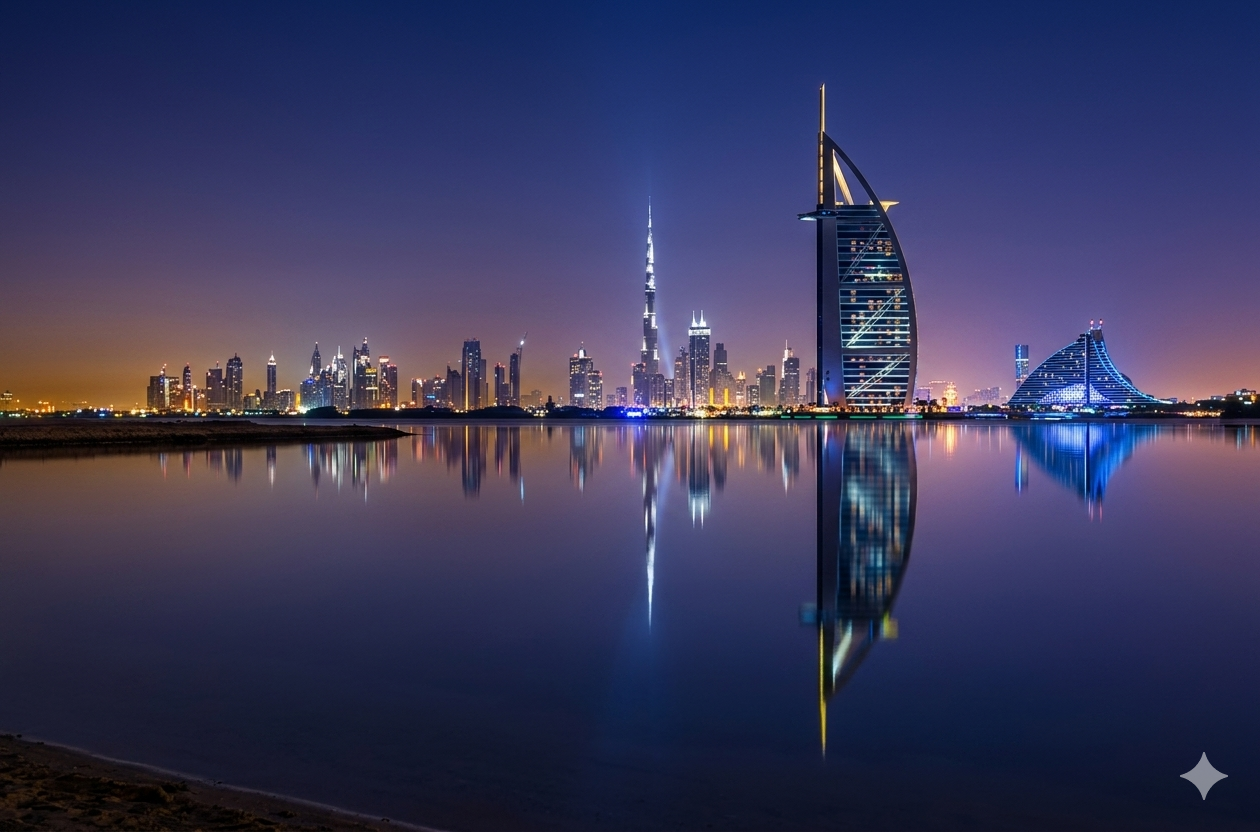
Dubai’s reputation precedes it — skyscrapers, shopping malls, artificial islands. Most itineraries never get beyond the Burj Khalifa observation deck and a dinner at Nobu. That is Dubai the brand. The city beneath it is considerably more interesting. After dozens of trips arranging Dubai holidays for clients who want more than the obvious, here is what I actually recommend — and what most itineraries miss entirely. Al Fahidi — Old Dubai Al Fahidi Historical Neighbourhood is the original Dubai — narrow lanes, wind-tower architecture, art galleries in converted courtyard houses. It is a 10-minute taxi from the Marina and a different century. The XVA Gallery, set in a restored heritage house, is one of the finest small contemporary art spaces in the Middle East. The Arabian Tea House serves breakfast in a courtyard that feels like it belongs in Marrakech. Most visitors do not know this neighbourhood exists. It is not hidden — it is in the guidebooks — but it is routinely skipped in favour of the malls. That is a mistake. An hour or two in Al Fahidi gives Dubai a texture and history that the skyline alone cannot provide. The Desert — Not the Way Most People Do It The standard Dubai desert experience is a dune-bashing 4x4 trip with a buffet dinner and a belly dance show. It is fine for what it is. It is not what I recommend. The alternative: a private dawn drive into the Al Marmoom Desert Conservation Reserve, followed by breakfast at a camp that has no other guests. Bab Al Shams Desert Resort offers this. So does Al Maha, A Luxury Collection Desert Resort — a property set within its own private conservation reserve, where Arabian oryx roam freely and the silence is absolute. A night at Al Maha followed by a morning wildlife drive is more evocative of old Arabia than anything the city offers. “People come to Dubai for the skyline and leave talking about the desert. The desert is where Dubai stops performing and starts being real.” — Max, Asia & Middle East Specialist The Food Scene — Beyond the Hotel Restaurants Dubai’s dining scene has matured significantly in the last five years. The hotel restaurants (Nobu, Zuma, CUT by Wolfgang Puck) are reliably excellent. What most visitors miss is the independent scene. Orfali Bros in Wasl 51 is a Michelin-starred bistro that would hold its own in any European capital — Middle Eastern flavours, Nordic precision, no pretension. 3Fils in Jumeirah Fishing Harbour serves some of the best Japanese-Peruvian food in the region from a tiny counter with a harbour view. Brix in Jumeirah Al Naseem is a cheese-and-wine restaurant run by a genuine fromager, and it is extraordinary. For something completely different: spend a morning at the Deira fish market, then have your purchase cooked at one of the small restaurants adjacent. It costs almost nothing, the fish is hours old, and the experience is as far from a hotel buffet as Dubai gets. The Art District — Alserkal Avenue Alserkal Avenue in Al Quoz is Dubai’s art district — a cluster of warehouses converted into galleries, studios, a cinema, a chocolate factory and some of the city’s best independent coffee. The Third Line gallery represents contemporary Middle Eastern artists at a serious level. Cinema Akil screens independent and art-house films. The whole area feels like it has been transplanted from East London, except the coffee is better and the weather is warmer. Visit on a weekday morning. It is quiet, browsable, and entirely free. It is also air-conditioned, which in Dubai is a meaningful amenity. The Creek and the Abra Dubai Creek is the original trading waterway that made the city. An abra crossing (a traditional wooden boat) costs 1 dirham (approximately 22p) and takes you from the spice souk on the Deira side to the textile souk on the Bur Dubai side. The crossing takes three minutes. It is the single most atmospheric three minutes available in Dubai. Combine the abra crossing with a walk through the Spice Souk (the real one, not the tourist reconstruction) and the Gold Souk. The Gold Souk is garish, overwhelming and entirely genuine — this is where Dubai’s trading history lives. Hatta — The Mountain Escape Hatta is a mountain town approximately 130 kilometres from central Dubai, in the Hajar Mountains near the Oman border. It is cool, quiet, and strikingly beautiful — rocky peaks, a turquoise dam lake, and a restored heritage village. JA Hatta Fort Hotel is the only luxury property in the area, and it offers kayaking, mountain biking, hiking and stargazing in a landscape that looks nothing like the Dubai most visitors imagine. A night in Hatta combined with two or three nights on the Palm or at the Marina is the ideal Dubai itinerary for a traveller who wants contrast. The drive from the city takes 90 minutes and crosses from glass-tower modernity into genuine Arabian mountain landscape. When to Go — and the Hotels Worth Knowing When: November to March is the ideal window. Temperatures are 22–28°C, the humidity is low, and the outdoor experiences (desert, Hatta, Al Fahidi) are all comfortable. Avoid June to September unless you plan to stay indoors — temperatures exceed 45°C. Hotels: The Armani Hotel (inside the Burj Khalifa) for quiet luxury. One&Only Royal Mirage for the most beautiful beach property in Dubai. Al Maha for the desert. Jumeirah Al Naseem for families who want the best waterpark and beach combination. Atlantis The Royal for travellers who want spectacle. Dubai rewards the traveller who looks beyond the obvious. A conversation with one of our Middle East specialists will build the itinerary that shows you both sides of the city.
 Specialist Deep Dive
Every Maldives Atoll Ranked: The Definitive Guide for Luxury Travellers
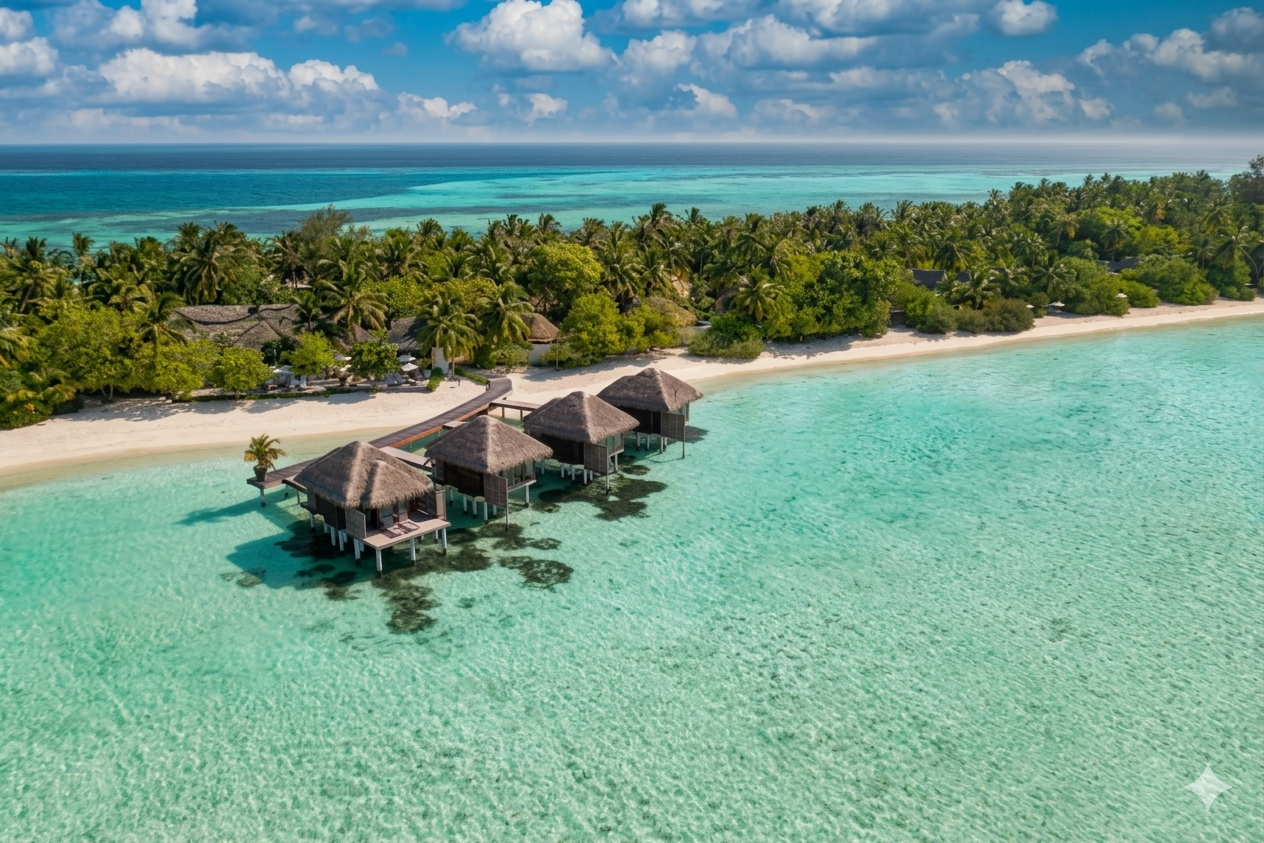
The Maldives has 26 natural atolls and over 1,200 islands. More than 160 of those islands have resorts on them. Choosing between them without understanding the geography is like choosing a London neighbourhood without a map — you might get lucky, but you are more likely to end up somewhere that does not suit you. This guide ranks the atolls that matter for luxury travellers. Not all 26 — many have no tourism infrastructure. I cover the eight atolls where the resorts are, what each one offers, and who each one is for. How the Maldives Is Organised The Maldives stretches 870 kilometres north to south. The atolls are broadly grouped into northern, central and southern. Male — the capital — sits in the centre. Resorts in the northern atolls require a seaplane transfer (30–60 minutes from Male). Central atoll resorts are accessible by speedboat (15–60 minutes). Southern atolls may require a domestic flight plus a boat transfer. The transfer method, time and cost should factor into your decision far more than most travellers realise. North Malé Atoll — The Classic The most accessible atoll. Speedboat transfers from the airport take 15–45 minutes. Home to One&Only Reethi Rah, Cheval Blanc, Patina and Velana Private Island. The reef quality is good but not the best in the Maldives. The convenience is unmatched — you can be at your resort within an hour of landing. Best for: Short stays (4–5 nights). Late-arriving flights. Travellers who want minimal transfer time. Couples who value world-class resort facilities over marine life. Our ranking: 4th overall. Excellent resorts, average reefs, maximum convenience. South Malé Atoll — The Diver’s Choice Just south of the capital with speedboat access. Home to COMO Cocoa Island and Naladhu Private Island. The channels between North and South Malé atolls create strong currents that bring pelagic marine life — reef sharks, mantas and occasionally whale sharks. Diving is noticeably better than North Malé. Best for: Divers who want quick access. Couples seeking a boutique, intimate resort. Repeat visitors who want a different Maldives experience from the northern atolls. Our ranking: 5th overall. Fewer resort options but excellent diving and a more intimate scale. Baa Atoll — The Specialist’s Favourite A UNESCO Biosphere Reserve and, in my opinion, the finest atoll in the Maldives. Home to Soneva Fushi, Amilla and Finolhu. The house reefs are exceptional. Hanifaru Bay — the manta ray feeding aggregation site — is the single most extraordinary marine wildlife spectacle in the archipelago. The seaplane transfer is approximately 30 minutes. Best for: Marine life enthusiasts. Anyone who wants the best house reef. Families. Honeymooners who value nature over nightlife. Repeat visitors who want depth. Our ranking: 1st overall. The combination of Soneva Fushi, the UNESCO reef system and Hanifaru Bay makes this the most complete atoll in the Maldives. “If I could only send a client to one atoll in the Maldives, it would be Baa. Every time. The reef alone justifies the choice.” — Almas, Indian Ocean Specialist South Ari Atoll — The Whale Shark Capital The best year-round destination for whale shark sightings in the Maldives. Home to Conrad Maldives Rangali Island (famous for the Ithaa underwater restaurant), LUX* South Ari Atoll and Lily Beach. The atoll has a resident population of whale sharks — they do not migrate, so encounters are possible in every month of the year. Best for: Whale shark encounters (year-round). Divers. Snorkellers. Families wanting marine education. Travellers who want a specific marine life encounter guaranteed. Our ranking: 2nd overall. The whale sharks alone make this atoll unique. The reefs are excellent. Conrad Rangali is a genuine icon. Raa Atoll — The Quiet One North of Baa, less developed, genuinely remote. Home to Joali and The Ritz-Carlton Fari Islands (technically Fari Atoll, near Raa). Fewer resorts means fewer divers on the reef and a stronger sense of seclusion. The seaplane transfer is 40–50 minutes. Best for: Seclusion. Honeymoons where privacy is the priority. Travellers who want the newest properties. Those who find the more popular atolls too busy. Our ranking: 3rd overall. Genuinely quiet, excellent new properties, and a reef system that is less visited. Noonu Atoll — The Ultra-Luxury Atoll Home to Velaa Private Island, Cheval Blanc Randheli and Soneva Jani. This is the highest concentration of ultra-luxury properties in the Maldives. Velaa has a private golf course and a spa that rivals any in Asia. Soneva Jani has the water slide villas that went viral. The atoll itself is remote — 45-minute seaplane — and the properties are spread far apart. Best for: Ultra-luxury travellers. Privacy. Couples who want the newest, most exclusive properties. Design-led travellers. Our ranking: Joint 3rd overall. The properties are extraordinary. The reefs are less distinctive than Baa or South Ari. Lhaviyani & Dhaalu — The Emerging Atolls Lhaviyani is home to Hurawalhi and Kudadoo — the only all-inclusive luxury resort in the Maldives. Dhaalu has Niyama Private Islands and St. Regis. Both atolls are quieter, less established, and offer strong value compared to the more developed atolls. Reef quality is improving as marine protection measures take effect. Best for: Value-conscious luxury travellers. All-inclusive preferences (Kudadoo). Travellers who want newer properties at lower prices than Noonu or Baa. Our ranking: 6th overall. Excellent value. Improving reefs. Fewer marquee properties. The Southern Atolls — Laamu, Addu & Gaafu The southern atolls require a domestic flight from Malé (approximately 1 hour) plus a boat transfer. They are the least visited atolls in the Maldives. Laamu has Six Senses Laamu — one of the finest eco-luxury resorts in the world. Addu (the southernmost atoll) has a genuine local culture that the northern tourist atolls lack. Gaafu has Raffles Maldives. Best for: Repeat visitors. Travellers seeking genuine remoteness. Eco-conscious luxury. Diving in unexplored waters. Off-season travel (southern atolls receive less rain during the southwest monsoon than northern atolls). Our ranking: 7th overall for first-time visitors. Significantly higher for repeat visitors who want something genuinely different. The Final Ranking This ranking reflects our specialists’ collective experience across hundreds of Maldives bookings. Your ideal atoll depends on what you value most — reef quality, seclusion, convenience, budget or a specific marine encounter. A 20-minute call with Almas will narrow it to one.
 Where to Go
Where to Go on Holiday in Winter 2026 — Our Picks
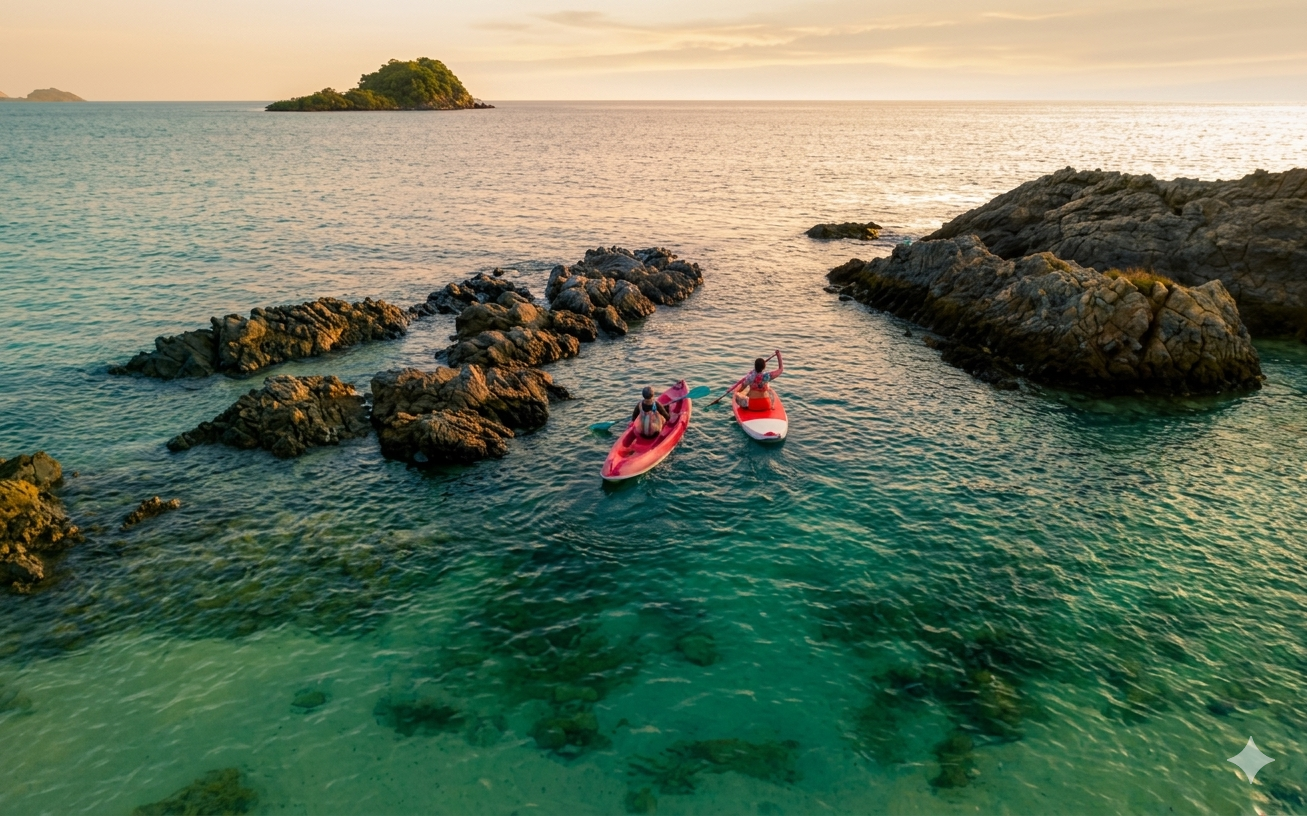
Every year, the same question arrives with the September rain: where should I go this winter? The answer changes year to year — new properties open, flight routes shift, and some destinations become genuinely better or worse depending on what has happened in the world. These are our specialists’ picks for winter 2026 — the destinations they are actively recommending to clients right now, and why. The Maldives — Still the Benchmark The Maldives remains the single most requested winter sun destination among our clients, and for good reason. December to March is peak dry season, the water is at its clearest, and the resorts are at their most polished. Soneva Fushi in the Baa Atoll, One&Only Reethi Rah, and the new Patina Maldives are all exceptional choices. The caveat: Christmas and New Year in the Maldives is the most expensive two weeks in luxury travel. If your dates are flexible, early January or February offer identical weather at significantly lower prices. Barbados — The Caribbean at Its Most Refined The west coast of Barbados in winter is perfection. Calm turquoise water, golden sand, and a culinary scene that has quietly become one of the best in the Caribbean. Sandy Lane remains the benchmark, but Cobblers Cove and The Sandpiper offer a more intimate scale. The flight from London is direct (approximately 8.5 hours), which makes Barbados one of the most accessible Caribbean islands. Kenya — Green Season Safari January and February in Kenya is green season — the landscape is lush, the light is extraordinary, and the camps are quiet. This is not Migration season (that is July to October), but the resident wildlife in the Masai Mara is excellent year-round. Amboseli is at its absolute best in January, with clear views of Kilimanjaro against blue skies. Prices are 20–30% lower than peak. Thailand — The East at Its Most Welcoming November to February is Thailand’s dry season — warm, sunny, and the humidity drops to manageable levels. Koh Samui, Phuket and Krabi are all excellent. For something more distinctive, consider Chiang Mai in the north — cooler temperatures, temple culture, and the night markets at their vibrant best. Oman — The Desert at Its Most Comfortable Oman in winter is one of the Middle East’s best-kept secrets. Temperatures hover around 25°C, the air is dry and clear, and the landscape — dramatic wadis, ancient forts, empty coastline — is at its most inviting. Alila Jabal Akhdar, perched on the rim of a canyon in the Al Hajar mountains, is one of the most striking hotel locations in the world. Sri Lanka — Two Coasts, Two Seasons Sri Lanka’s weather splits by coast: the south and west coasts are dry from November to March, making this the ideal winter window. The tea trails of the hill country are at their greenest. Combine south-coast beaches (Tangalle, Weligama) with cultural triangle temples (Sigiriya, Dambulla) and a few days in the highlands for one of the most varied short-haul winter trips available from the UK. Dubai — The Obvious Done Well Dubai in winter is not subtle and does not pretend to be. But at its best — a desert camp at sunset, a table at Nobu on Palm Jumeirah, a morning at the souks before the crowds — it delivers a particular kind of luxury that no other destination replicates. December to February temperatures are perfect (22–28°C). The flight is short (7 hours). The family infrastructure is world-class. South Africa — Safari Meets Coast December to February is summer in South Africa. The Cape Winelands are at their most beautiful, Cape Town’s beaches are warm, and the Eastern Cape safari reserves (Shamwari, Kwandwe) are in excellent game-viewing condition. Combine Cape Town, the Garden Route and a Big Five safari for a winter trip that covers everything. Mauritius — The Quiet Indian Ocean Mauritius is warmer and slightly wetter than the Maldives in winter, but the west coast (where the best resorts sit) remains reliably sunny. One&Only Le Saint Géran, LUX* Le Morne and The Oberoi are all excellent. Mauritius offers more to do beyond the beach than the Maldives — markets, rum distilleries, nature reserves, a genuine local culture — which makes it a strong choice for travellers who get restless after three days of doing nothing. Antarctica — The Ultimate Winter Escape December to February is the Antarctic summer — 20 hours of daylight, temperatures around 0°C, and the ice retreats enough for expedition vessels to navigate the channels and peninsulas. This is the most extraordinary trip we arrange. Scenic Eclipse II offers the most luxurious expedition cruise experience currently operating. Book 12–18 months ahead — the best cabins sell fast. Every destination in this list, from the Maldives to Antarctica, is ATOL protected when booked through HighStreet Holidays (No. 12118). Your money is secure, your flights are included, and your specialist handles every detail.
 When to Visit
Best Time to Visit the Maldives — A Month-by-Month Guide
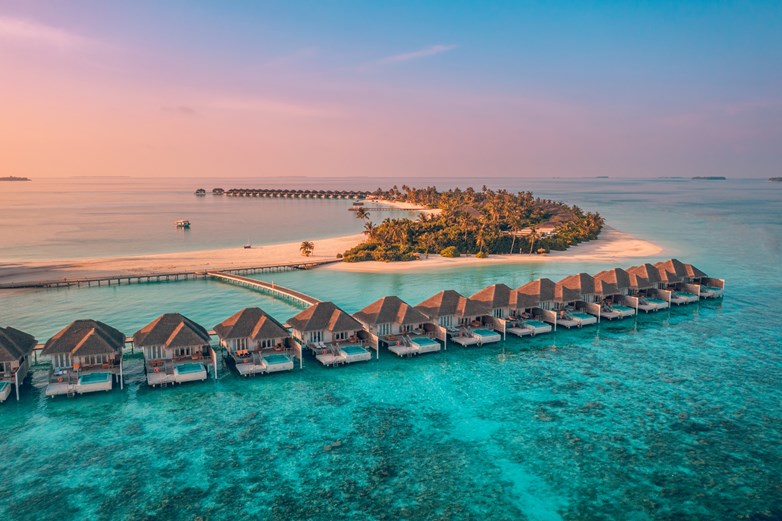
The honest answer to “when should I go to the Maldives?” is: it depends entirely on what you want from your trip. November to April is the dry season and the easy recommendation. But “dry season” is a broad brush that obscures the real differences between months — differences in price, in crowds, in marine life, and in which atoll will give you the best experience. I have visited the Maldives in every month of the year across 15 years of arranging holidays there. Here is what I actually tell my clients. The Two Seasons — Dry vs Wet The Maldives has two monsoon seasons. The northeast monsoon (iruvai) runs from November to April and brings dry weather, calm seas and excellent visibility. The southwest monsoon (hulhangu) runs from May to October and brings more rain, stronger winds and rougher seas — but also lower prices, fewer tourists and some of the best marine life encounters of the year. Temperatures barely change. The Maldives sits close to the equator, and air temperatures hover between 28°C and 31°C year-round. Water temperature ranges from 27°C to 30°C. You will never be cold in the Maldives, regardless of when you visit. The real variable is rainfall — and even in the wet season, rain in the Maldives typically arrives in short, intense bursts rather than all-day downpours. A “rainy day” in the Maldives often means an hour of dramatic tropical rain followed by blue skies and sunshine. “I have been to the Maldives in August and had seven days of unbroken sunshine. I have been in February and had two days of rain. The seasons are averages, not guarantees.” — Almas, Travel Specialist January & February — Peak Season This is the most popular time to visit. The weather is at its driest and most reliable. Skies are consistently blue, seas are calm, and underwater visibility is at its best — typically 30 metres or more. If you are visiting for the first time and want a guaranteed-good-weather experience, January and February are the safest choices. The trade-off is price and availability. January and February are peak season across every resort in the Maldives. Prices are at their highest, and the most popular villas — particularly overwater suites at Soneva Fushi, One&Only Reethi Rah and Four Seasons Landaa Giraavaru — book out months in advance. If you want to travel in these months, we typically recommend booking 6–9 months ahead. Best for: First-time visitors, honeymooners who want certainty, anyone who prioritises guaranteed sunshine over everything else. Diving & snorkelling: Excellent visibility on the east side of atolls. Manta rays can be spotted at cleaning stations in the central atolls. Whale shark sightings are less frequent than in the wet season. March & April — The Sweet Spot March and April are, in my experience, the best overall months to visit the Maldives — and the months I most often recommend to clients who are flexible on dates. The weather is still reliably dry, though clouds begin to build towards the end of April. Visibility remains excellent. The crucial difference is price: March rates are typically 15–20% lower than January peak, and April can be 25–30% lower. Availability is also significantly better — you can book 3–4 months ahead rather than 9. The water is at its warmest in March and April, which makes for the most comfortable snorkelling of the year. The seas remain calm. The resorts are noticeably quieter than in January. Best for: Experienced travellers who want peak-season weather without peak-season crowds or prices. Couples. Divers. Anyone who values seclusion. Our recommendation: If your dates are flexible and you want the single best value-to-weather ratio in the Maldives, book the second or third week of March. May to July — The Wet Season Begins May marks the transition into the southwest monsoon. Rain increases, winds pick up, and the western sides of atolls begin to receive more weather. Visibility drops on some reefs. This is when many travellers assume the Maldives is “closed” or not worth visiting. They are wrong. May to July is when the Maldives becomes genuinely interesting for marine life. The change in current brings plankton-rich water from the deep ocean, which in turn attracts manta rays and whale sharks in significant numbers. If you want to dive or snorkel with mantas, May to July on the western side of the atolls is where to be. Prices drop substantially — often 40–50% below January rates. A Water Retreat at Soneva Fushi that costs £4,200 per night in February might be available for £2,400 in June. The quality of the resort, the food, the service — all identical. The only difference is occasional rain and slightly choppier seas. Best for: Budget-conscious luxury travellers, divers, marine life enthusiasts, families (school half-terms in May), repeat visitors who want a different side of the Maldives. August to October — Surf, Savings & Mantas August through October is the deepest wet season. Rainfall is at its peak in September, and some days will be overcast. Seaplane transfers can occasionally be delayed by weather. This is the lowest season in the Maldives, and prices reflect it. But this is also when Hanifaru Bay — in the Baa Atoll, accessible from Soneva Fushi and other northern resorts — comes alive with the world’s most spectacular manta ray feeding aggregation. Hundreds of manta rays gather in a single bay to feed on concentrated plankton. It is one of the most extraordinary marine wildlife events on earth, and it happens between June and November, peaking in August and September. Surfers also know this period well. The southwest monsoon creates consistent swells on the outer reefs, and several resorts in the Male and North atolls offer access to world-class surf breaks that are flat for the rest of the year. Best for: Surfers, manta ray enthusiasts, repeat visitors, anyone who wants genuine value. Avoid if you need guaranteed sunshine every day. Pricing: September is typically the cheapest month. Expect savings of 40–50% versus peak season at most resorts. November & December — Transition & Christmas November is a transition month. The wet season is ending but has not fully cleared. You may get some rain, but the days are increasingly sunny. It is an underrated month — prices are still low, mantas are still present in the northern atolls, and the resorts are beginning to prepare for the high season rush. December is a different matter. The first two weeks of December offer excellent weather at prices that are still below peak — this is one of the best times to visit for value. From around December 20th, Christmas and New Year rates apply, and they are the highest of the entire year. Most resorts enforce minimum stays (typically 7–10 nights) over the festive period, and many require a gala dinner supplement for Christmas Eve and New Year’s Eve. Best for: November — budget-conscious travellers who want improving weather. Early December — excellent value. Late December — families and couples celebrating Christmas, if budget is not a constraint. Which Atoll, Which Month? This is the question that most “best time to visit” guides miss entirely, and it is arguably the most important one. The Maldives stretches across 900 kilometres of ocean. Weather conditions in the northern atolls (Baa, Raa, Noonu) can be quite different to conditions in the southern atolls (Addu, Laamu, Gaafu). During the wet season, the southern atolls tend to receive less rainfall than the north. During the dry season, the difference is less pronounced. For marine life: the Baa Atoll (Soneva Fushi, Amilla) is the manta ray hotspot from June to November. The South Ari Atoll (Conrad, LUX*) is the best year-round location for whale sharks. The North Male Atoll (One&Only Reethi Rah, Cheval Blanc) has the most reliable dry-season diving. This is exactly the kind of detail that is impossible to convey in a generic guide — and exactly why speaking with a specialist who knows the atolls personally makes the difference between a good Maldives trip and the right one. The Verdict There is no single “best time” to visit the Maldives. There is a best time for you, and it depends on what matters most. The right month, the right atoll and the right resort are three decisions that together determine whether your Maldives trip is good or genuinely special. A 20-minute conversation with one of our Indian Ocean specialists will answer all three.
From the Maldives Specialist
The Maldives is about which version of yourself you want to be for seven days.Travel specialist
From the Africa Specialist
A safari is the only holiday where you go to be genuinely surprised.James Okafor
From the Founder
Travel can be more personal, more considered, and more genuine.Monis · Founder
Also from Rizka Travel